
Guide
When a Spring Goes in Cold Weather Around Issaquah
Issaquah homes built mostly 1962-2005 carry springs sized for a different era. Here's how our cold winters and this housing stock affect your door.
Local detail
How Local Conditions Play In
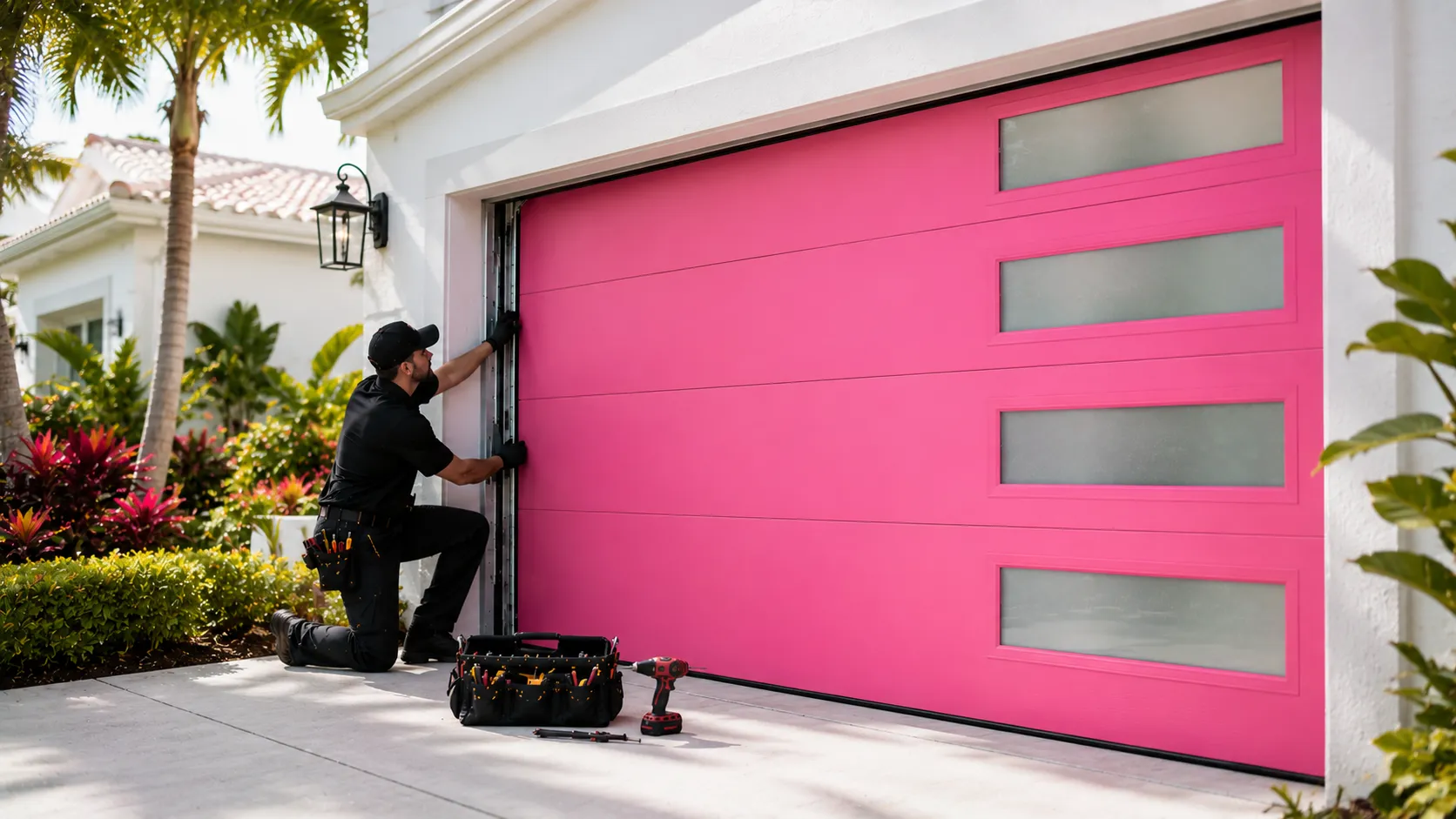
Most of the housing stock around here went up between 1962 and 2005, with the bulk of it dating to the 1980s and 90s across the 34 named areas we work in, from North Issaquah and Gilman right in town out to Squak Mountain and the Issaquah Highlands. That matters more than people think. A torsion spring installed in 1985 has had close to forty years of temperature swings to work through, and the steel doesn't age the same way in a cold, damp climate as it would somewhere dry.
Issaquah sits in a moderate-cold band, not the harshest winters in the country, but cold enough that metal contracts, lubricant thickens, and a spring that's already near the end of its cycle count picks winter to let go. If your house falls in that 1962-2005 build window, and most in this area do, the spring on your door was likely never touched since the original install. That's not a scare tactic, it's just how torsion springs get treated - nobody thinks about them until one snaps.

The area
The Seasonal Bit
Cold doesn't break a spring by itself. It exposes a spring that was already tired. Steel is less flexible when it's cold, so the same door cycle that was fine in August puts more strain on the coil in January.
Grease and oil-based lubricants also stiffen up in cold weather, which means more friction on the springs and cables right when they can least afford it. In a moderate-cold climate like ours, you don't get the deep-freeze snaps you'd see somewhere colder, but you get a slower version of the same problem - a spring rated for around 10,000 cycles that was already at 9,000 finally gives out on a cold morning instead of holding on another few months. It's a timing issue as much as a temperature issue.
What we find
What to Check
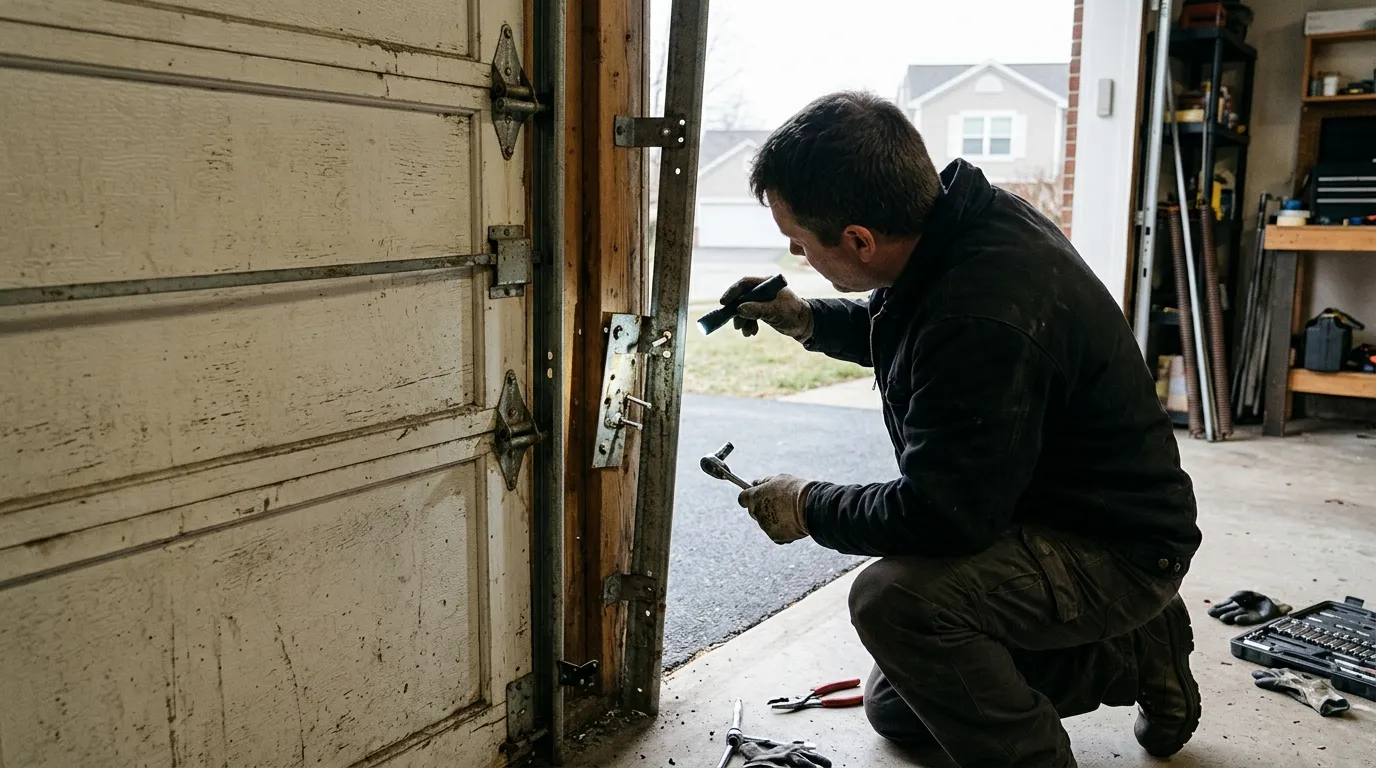
Look at the spring itself, the two coils above the door on a standard double or the single center-mounted torsion spring on some of the older setups from the 1962-2005 era. A gap in the coil, or one side visibly sagging lower than the other, means it's already cracked and running on borrowed time. Check the cable drums at each end for fraying, since a spring under extra cold-weather tension puts more load on the cables too.
Listen for the door struggling to lift, or the opener straining and reversing partway - both point to a spring that's lost tension rather than an opener problem. We don't recommend homeowners touch the spring itself. Torsion springs are under real load and adjusting or replacing one without the right bars and clamps is how people get hurt.
Checking for the visible signs above is safe. Doing the fix yourself isn't something we'd tell you to try.
How we work
What Is Going On
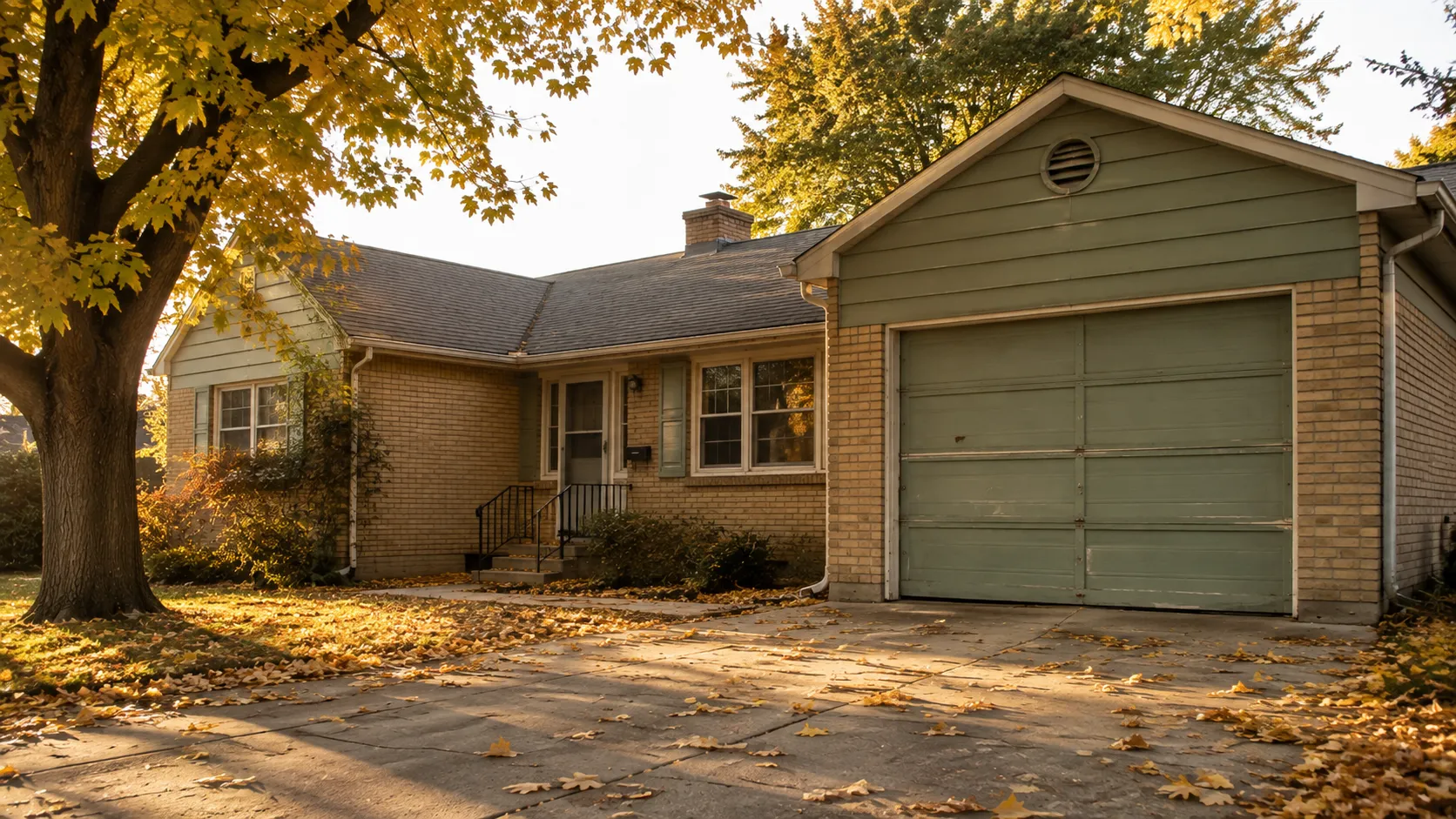
When a spring breaks, the door won't lift, or it'll lift a few inches and stop, because the opener isn't built to carry the door's full weight on its own. On the older doors common in this area, especially anything close to the 1983 median build year, you'll sometimes find a single spring where a newer door would have two, which means when it goes, you have zero lift assistance rather than half. If you hear a loud bang from the garage on a cold morning, that's almost always the spring.
It's the single most common cold-weather call we get, and it's a straightforward repair on most of the door styles we see in this area. The honest limitation: if the door itself is warped, or the tracks are bent from someone trying to force it open with a broken spring, a spring swap alone won't fix it, and we'll tell you that upfront rather than replace a part that isn't going to solve the actual problem.
Questions
Common questions
Why did my spring break in cold weather when it's never broken before?
Cold makes steel less flexible and stiffens lubricant, so a spring that was already near the end of its lifespan gives out under the added strain. It's rarely the cold alone causing the break - it's cold exposing a spring that was already close to failing from age and cycle count.
My house was built in the 1980s, does that matter?
Yes. A lot of the homes in this area date from that period, and an original spring from a 1980s install has had decades of cycles and temperature swings on it. If it's never been replaced, it's a strong candidate to fail, especially once cold weather adds extra load.
Can I replace a torsion spring myself to save money?
We don't recommend it. Torsion springs are wound under heavy tension, and adjusting or removing one without the right bars and clamps is a real injury risk. Checking for a visible gap or sag in the coil is safe to do yourself; the replacement itself isn't.
Is one broken spring an emergency?
Not usually a life-safety one, but the door won't lift properly with a broken spring, and forcing it open can bend the tracks or strain the opener motor. Leave the door down and call rather than trying to muscle it up.
Ready when you are
Need a garage door sorted in Issaquah?
Issaquah Garage Door Pros repairs and installs garage doors, springs and openers in Issaquah, WA and the surrounding area.