
Guide
What Actually Happens During a Service Call Here in Issaquah
A look at what our techs actually check on an Issaquah service call, tied to this area's 1960s-2000s housing stock and cold, wet winters.
Local detail
How Local Conditions Play In
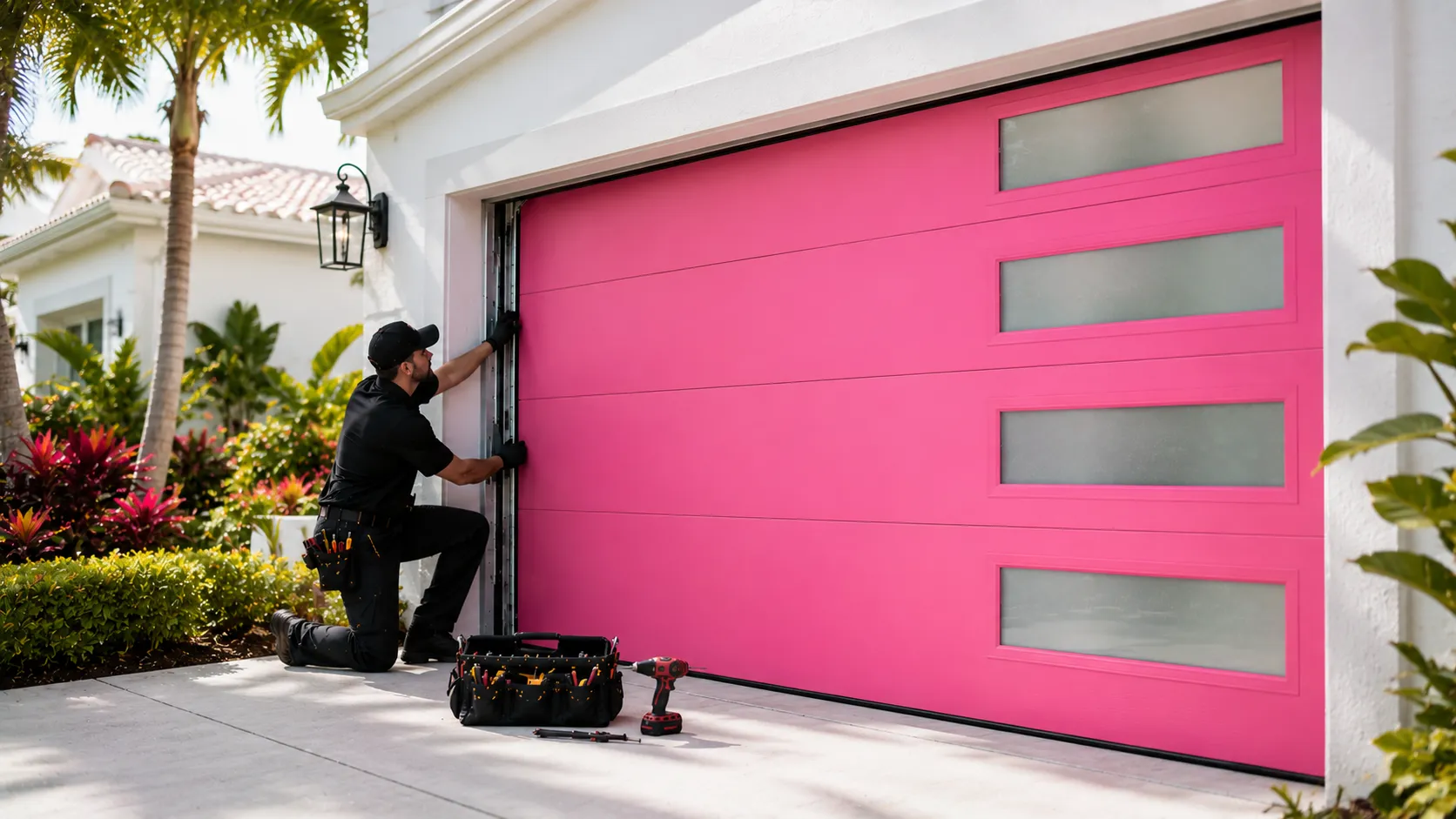
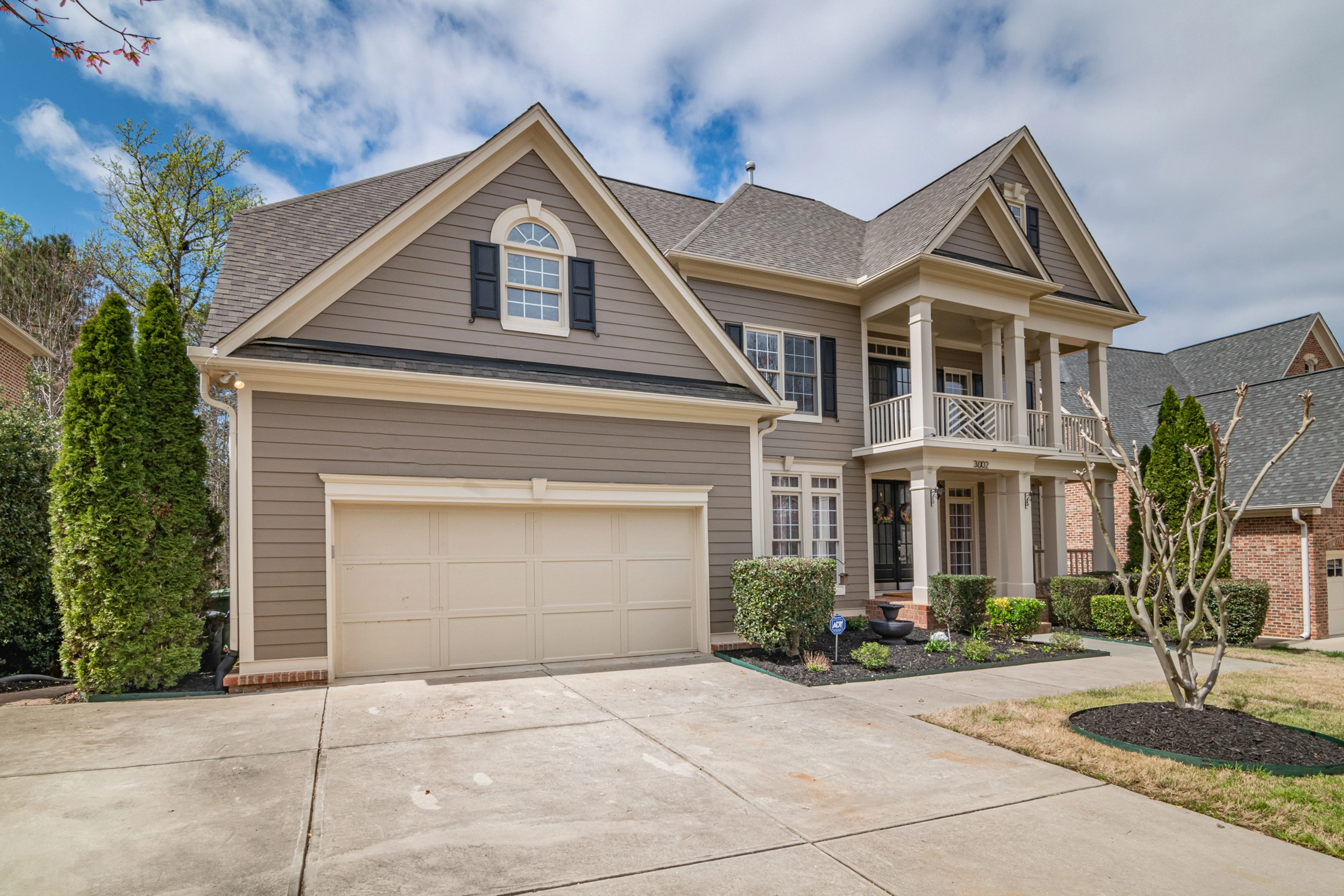
Most of the houses we get called to in and around Issaquah went up somewhere between 1962 and 2005, with the bulk of that stock dating to the 1980s and 90s. That matters because it tells us what hardware is likely behind the door before we even open the truck. A door from a mid-80s build in Olde Town or Gilman is going to have different spring sizing and track spacing than something put up in Issaquah Highlands in the early 2000s, and a tech who doesn't check the build era first ends up guessing at spring wire size on-site, which costs you time.
We also factor in that this area spans a wide mix of subdivisions built across four decades rather than one uniform era, so a service call here isn't a one-size checklist. On an older torsion setup we're looking for original springs that have outlived their cycle count. On a newer install we're more often chasing a worn roller or a sensor that's drifted out of alignment. Either way, the first ten minutes of a call is spent figuring out which decade of hardware we're actually working on, not assuming.
The area
The Seasonal Bit
Issaquah sits in a cold-moderate climate band, which for garage doors mostly means damp cold rather than deep-freeze cold. That's a different problem than what you'd get somewhere with hard freezes. The issue here is moisture working into weatherstripping and steel panels over a long wet season, not a spring snapping from a single cold snap.
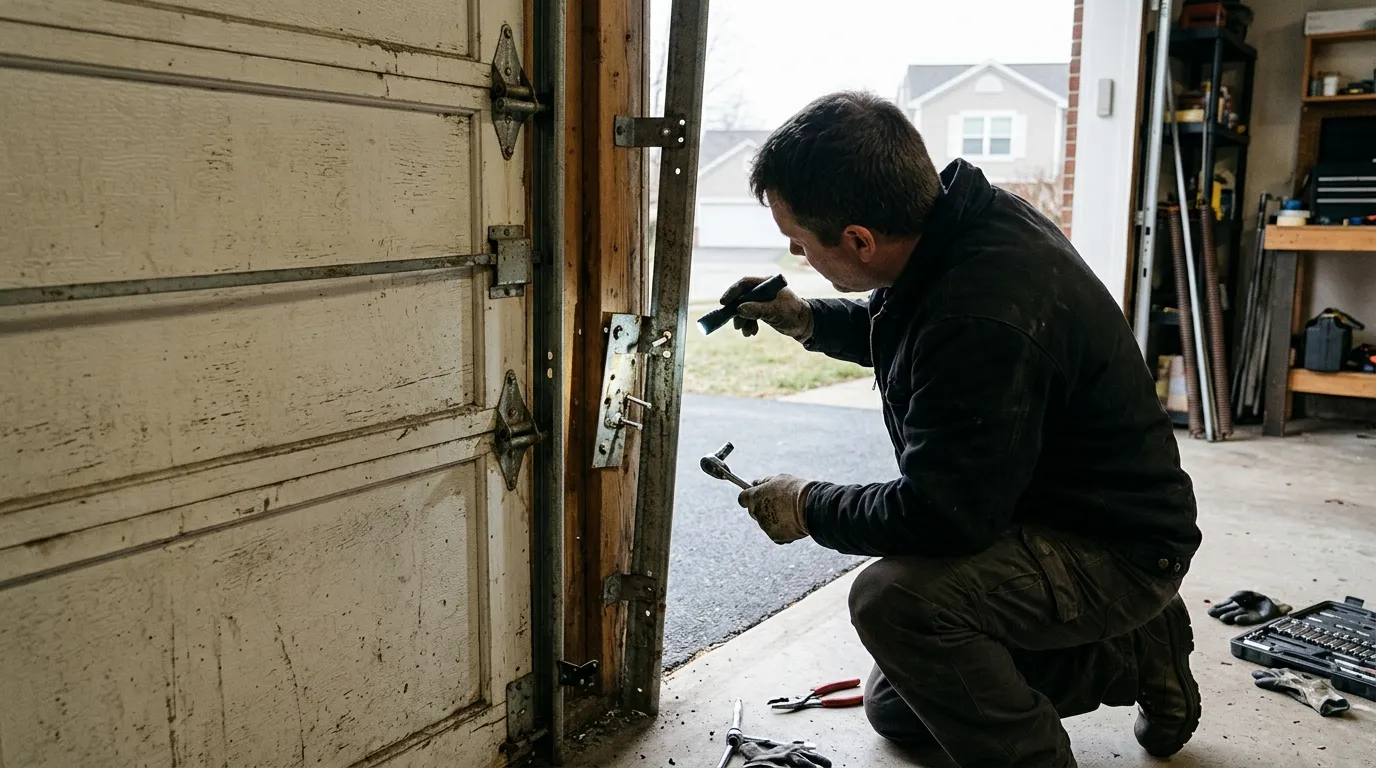
On a service call in the wetter months, we're checking bottom seals for water intrusion, looking at panel bottoms for early rust, and testing whether the door is binding because wood jambs have swelled slightly with moisture. None of that is dramatic, but it's steady wear that adds up over a winter, and it's different work than what a tech in a drier or colder climate band would prioritize on the same visit.
We won't tell you your door needs a full teardown if a seal replacement and a lube job solves the actual problem. Overselling a repair because the calendar says winter isn't a service call, it's a sales pitch, and we don't do those.
What we find
What to Check
Before you call, a few things take two minutes and can save you a truck visit. Pull the manual release cord and see if the door moves smoothly by hand - if it's heavy or uneven, that's a spring or cable issue, not an opener issue. Look at the bottom corners of the door for rust or gaps, especially if your house dates to the earlier end of that 1962-2005 range, since original seals on those builds are well past their service life. Check whether the opener's safety sensors have anything blocking the beam, since misalignment shows up more in homes with settled slab foundations, common across this area's older stock.
If the door reverses before touching the floor, that's the sensors or the close-force setting, and it's often adjustable without a call. If it won't move at all and the spring looks visibly gapped in the middle, stop pulling on it and call - that's a broken torsion spring, and it's not a DIY job regardless of how simple it looks.
How we work
What Is Going On
On the actual call, we start by identifying the door's age bracket against the neighborhood's typical build era, then check spring wear, cable fray, track alignment, and opener function in that order. For homes on the older end of the 1962-2005 range, we're often replacing original torsion springs that have simply reached the end of their cycle life - that's wear, not damage, and it's the single most common reason for a call out here.
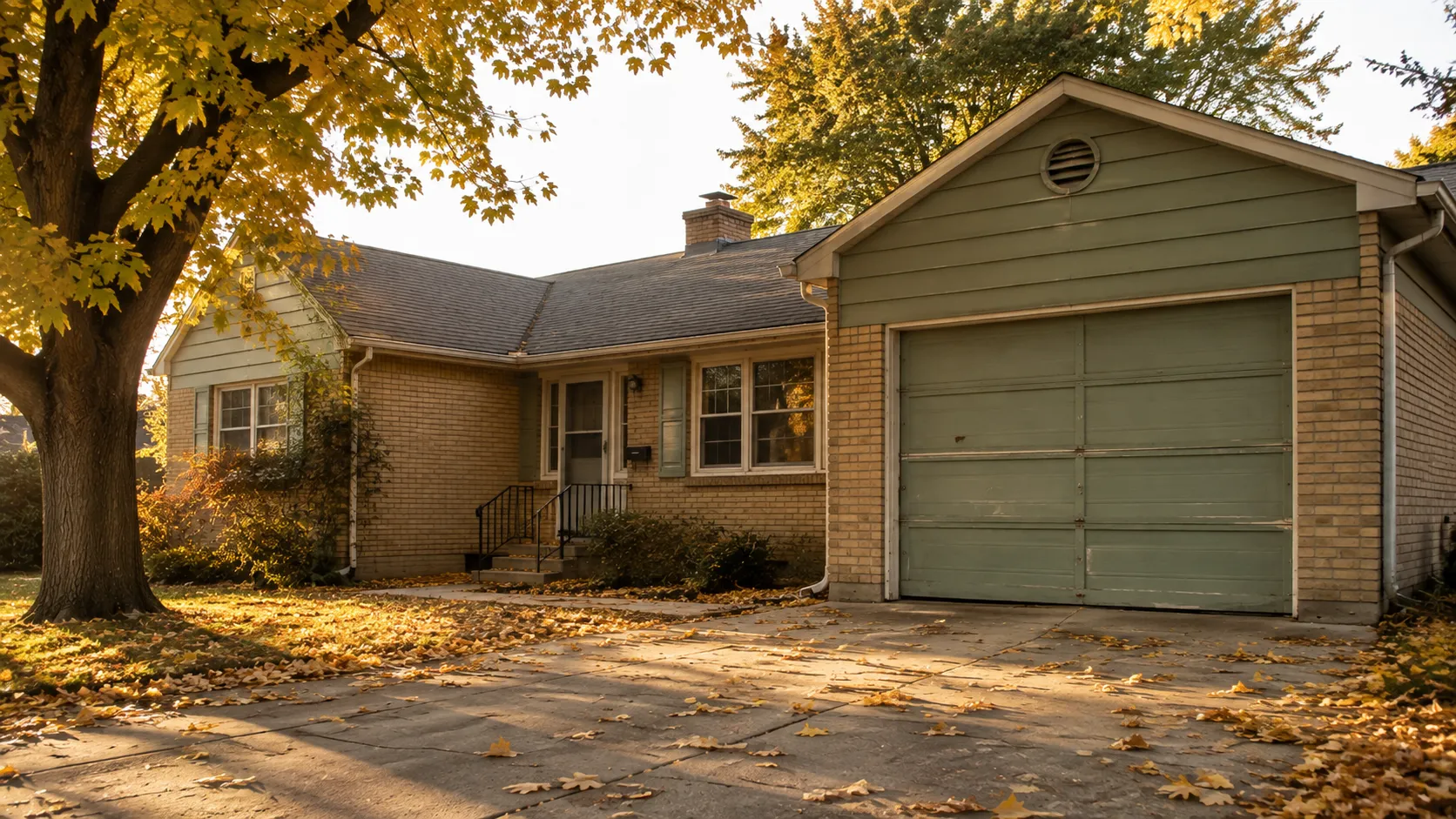
We'll tell you straight if a repair isn't worth it. A 1980s door with a warped panel and a dying opener is sometimes cheaper to replace outright than to keep patching, and we'd rather say that up front than bill you for three separate visits. What we don't do is stock every part for every era of door on the truck - some older hardware from this area's earliest housing needs an order, and we'll tell you that before we start, not after.
Questions
Common questions
Why does the age of my house matter for a garage door repair?
Because hardware sizing and spring wear patterns track the build era. Most homes in this area went up between 1962 and 2005, and a door from the earlier end of that range is carrying original hardware that's simply reached the end of its service life, which changes what a tech checks first.
Does Issaquah's climate cause specific garage door problems?
The cold-moderate band here means damp winters more than hard freezes, so the wear we see is steady moisture damage to seals and panel bottoms rather than sudden cold-snap spring failures. It changes the order we check things in on a service call.
Can I tell if it's a spring problem before calling?
Pull the manual release and move the door by hand. If it's heavy, uneven, or you see a visible gap in the spring coil, that's a torsion spring issue. Stop there and call - it's not a repair to attempt yourself.
Is it ever cheaper to replace the door than repair it?
Sometimes, yes. An older door with a warped panel and a failing opener can cost more to patch piece by piece than to replace outright. We'll say so on the call rather than bill for repeat visits on a door that's past the point of fixing.
Ready when you are
Need a garage door sorted in Issaquah?
Issaquah Garage Door Pros repairs and installs garage doors, springs and openers in Issaquah, WA and the surrounding area.