
Guide
What Our Techs Check First on an Issaquah Garage Door Call
A look at how Issaquah's 1962-2005 housing stock and cold, damp winters shape the first five things a tech checks on any service call here.
Local detail
How Local Conditions Play In
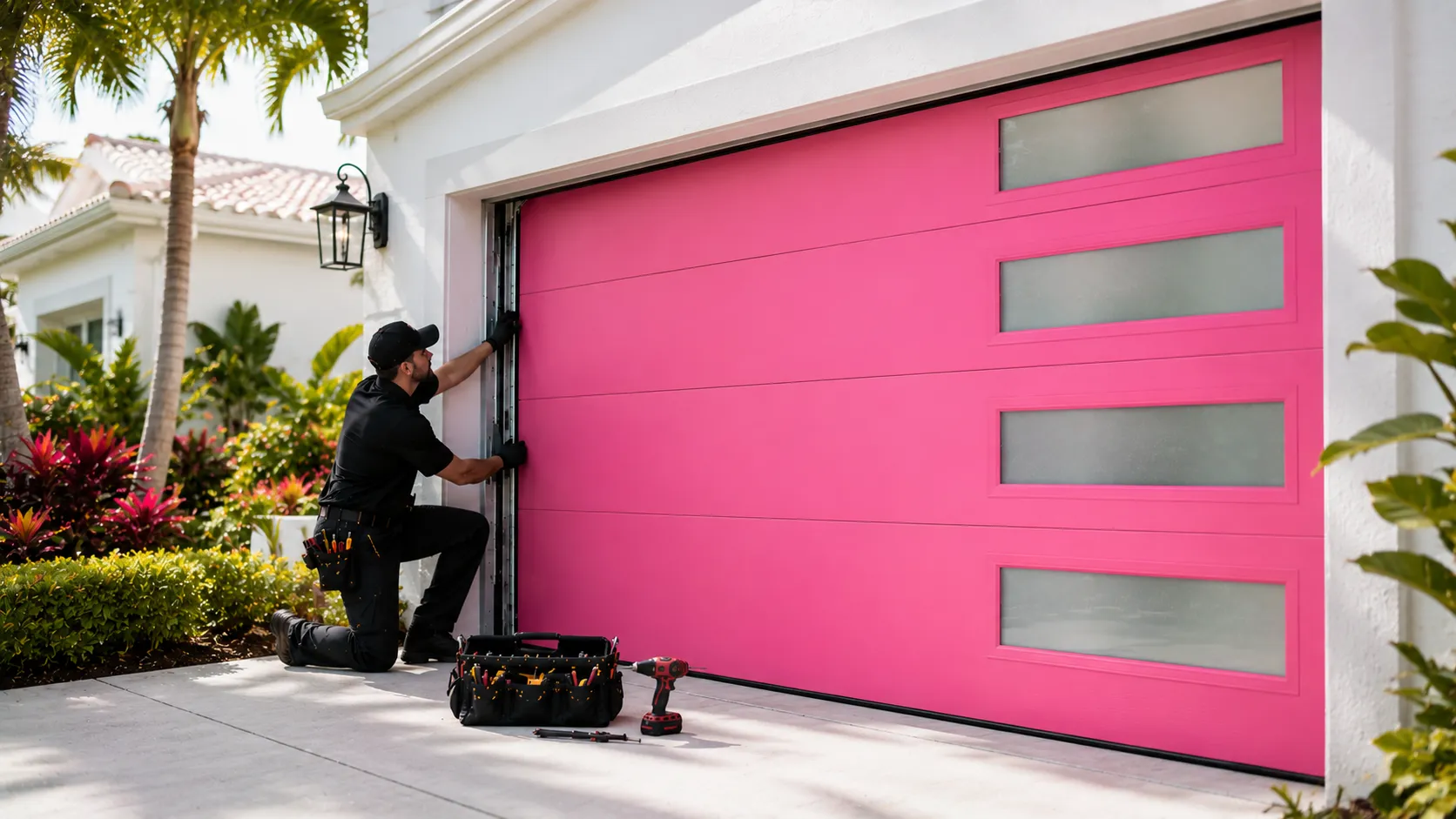
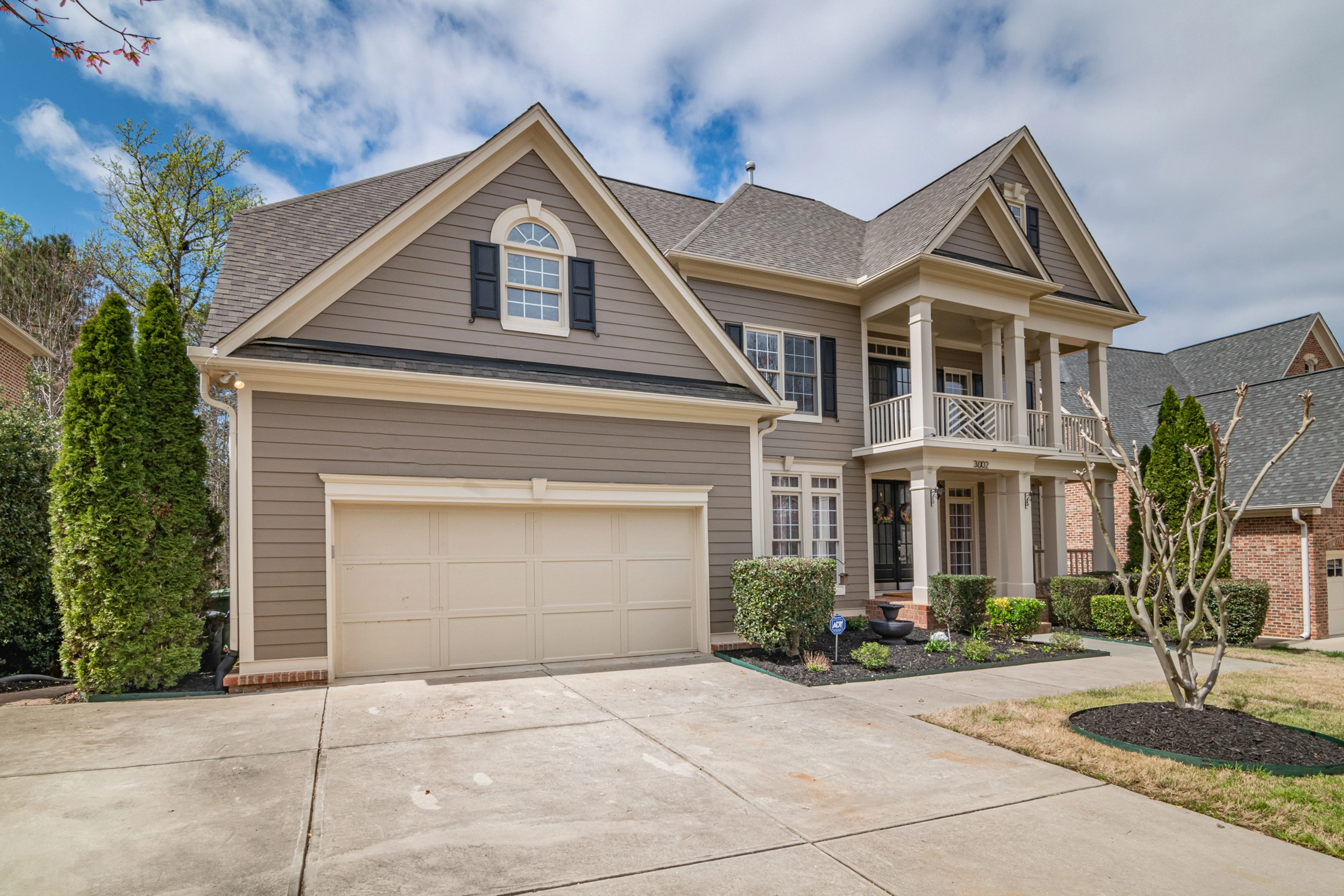
Most of the housing around Issaquah went up between 1962 and 2005, with the median build year landing around 1983. That matters more than people think. A door installed the same decade the house was framed is now old enough that its spring, cable, and roller hardware is at or past the end of its rated cycle life, whether the house sits in North Issaquah, Gilman, Olde Town, or up on Squak Mountain.
Across the 34 named areas that ring Issaquah - from Issaquah Highlands to places out toward Snoqualmie Ridge - the stock is heavily 1980s and 90s construction. That means a lot of steel torsion springs and galvanized track that were standard for that era but aren't what a shop stocks new today. A tech pulling up to a job in one of these older pockets starts by asking how old the door itself is, separate from the house, because additions and replacement doors don't always match the original build year.
So the first check isn't the door - it's the neighborhood. Knowing the rough age of the stock on that street tells a technician what kind of spring winding, what track gauge, and what opener generation they're likely dealing with before they ever open the panel.
The area
The Seasonal Bit
Issaquah sits in a cold, moderate climate band, not the deep-freeze kind, but cold enough that steel behaves differently in January than in July. Torsion springs lose a measurable amount of lift capacity when the metal is cold, which is why a door that felt heavy to open on a 34-degree morning can feel normal again by afternoon. That isn't the opener weakening - it's physics, and a tech checks spring tension differently depending on the outside temperature that day.
Moisture is the other half of it. Cold, damp air condenses inside a garage that isn't heated, and that condensation sits on tracks and hardware overnight. On older doors from the 1980s stock common here, factory lubrication has usually long since dried out, so bare steel meets damp air on a regular basis. That's a slow rust story, not a dramatic one, but it's the reason a tech checks roller shafts and hinge pins for surface corrosion before checking anything electrical.
We don't get the kind of extreme cold that snaps springs outright, so this isn't an emergency-repair pitch. It's a maintenance pitch: a door built for this climate needs its hardware checked on a schedule, not just when it stops working.
What we find
What to Check
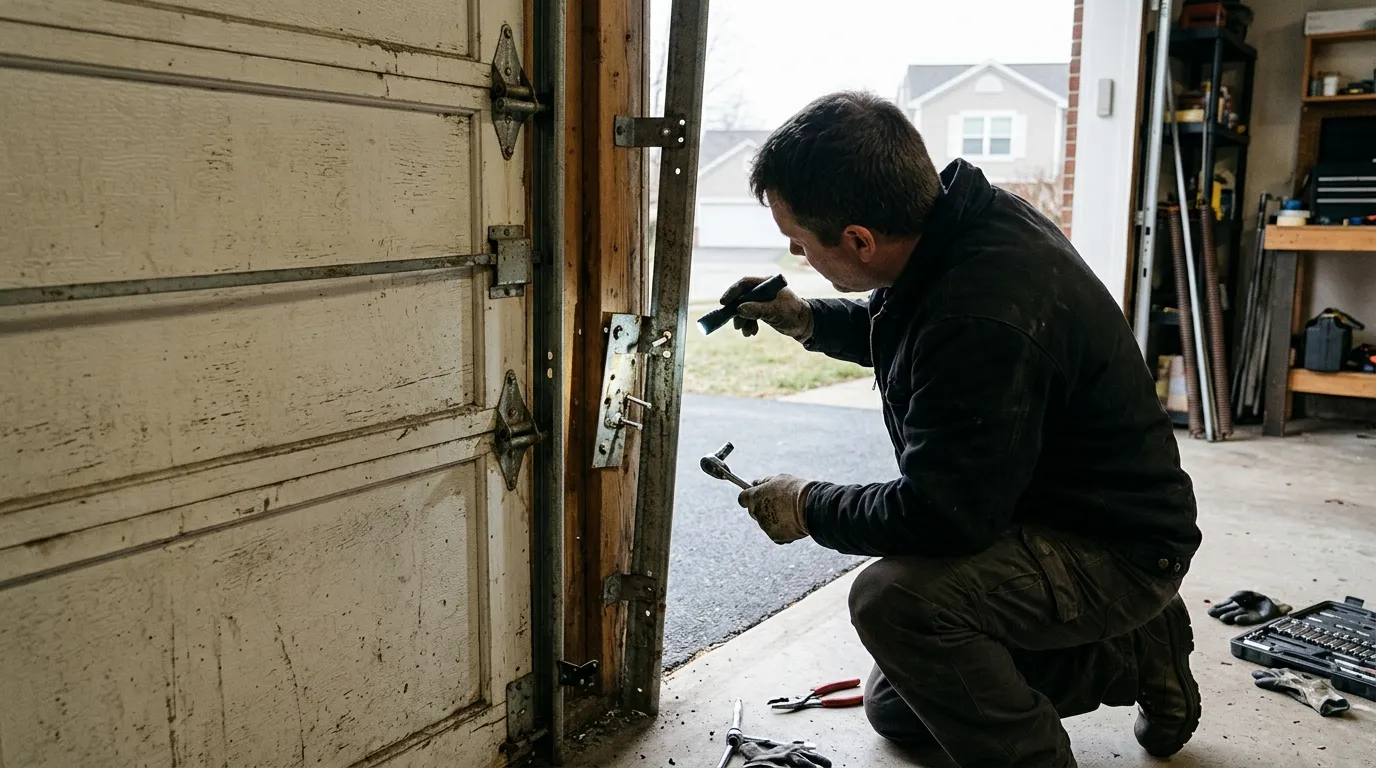
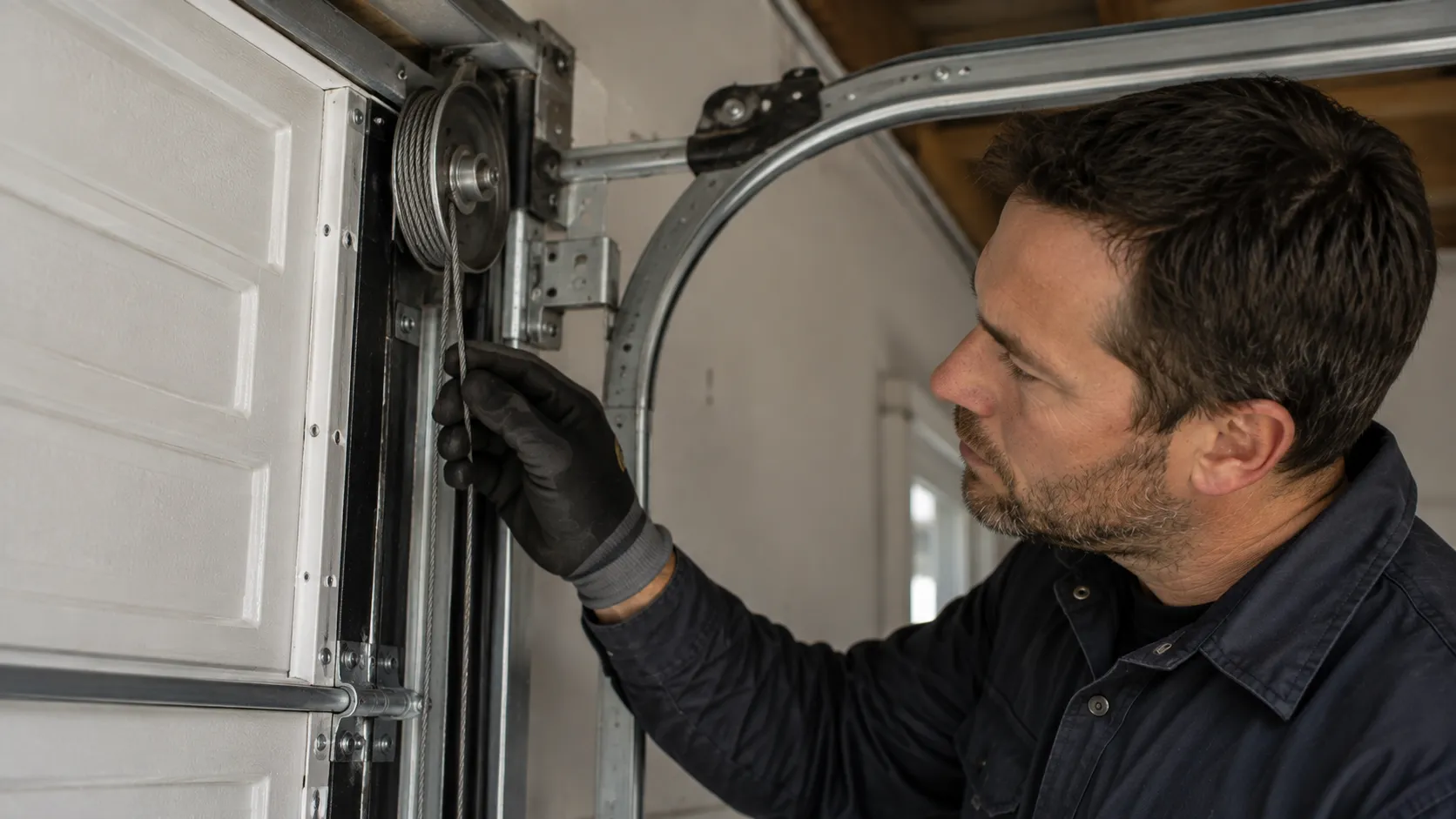
On a call in this area, a tech works through the same short list regardless of which of the 34 named neighborhoods the house sits in, because the age and climate factors are shared. First, the springs - torsion springs from the 1980s-2000s building wave are usually original or one replacement in, and a tech checks for gap width, rust pitting, and whether the winding cone matches modern sizing. Second, the cables, looking for fraying near the bottom bracket, where road salt tracked in on tires and winter condensation both do their damage. Third, the rollers - steel rollers from older installs are noisier and wear the track faster than the nylon rollers common in newer replacements.
Fourth, track alignment, since decades of settling on original 1962-2005 foundations can nudge a track out of plumb by enough to bind a door intermittently. Fifth, the opener's force settings, because many openers in this stock are older units that were never recalibrated after a spring service, which is a common and avoidable cause of a door that reverses for no clear reason. None of this requires guessing - it's a direct read of what an 1980s-median build, cold-climate door does to itself over time.
How we work
What Is Going On
Most calls in Issaquah come down to age catching up with hardware that was built for a house from the 1962-2005 wave and hasn't been touched since. That's not a knock on the original install - it's just what 30 to 60 years of cold winters and damp garages does to steel springs and cables. A tech's job on the first visit is to figure out which part of that timeline the door is at: still serviceable with new springs and rollers, or old enough on every component that a repair is chasing the next failure instead of fixing the actual problem.
Here's the honest limit: if the door and opener are both original to a 1980s or early-90s build, we'll usually say so plainly rather than patch one part and leave the rest to fail in six months. Replacing a spring on a door with a cracked panel and a dead opener capacitor isn't a favor to the homeowner, it's a second bill waiting to happen. We'd rather tell you that up front than let the invoice tell you later.
Questions
Common questions
Why does my garage door feel harder to lift in the winter?
Steel torsion springs lose some of their lift force as the metal gets cold, which is normal in Issaquah's cold moderate climate band. If the door is noticeably harder to open only on the coldest mornings and normal by afternoon, that's the spring reacting to temperature, not necessarily failing outright.
My house was built in the early 1980s - is the door original?
It's common in this area, since most of the surrounding housing dates from 1962 to 2005 with a median around 1983. A tech can tell fairly quickly by the hardware style whether the door and springs are original to that build or a later replacement.
Do you check for rust on older doors?
Yes - cold, damp winters here mean condensation sits on unheated garage hardware overnight, and older stock from the 1980s-90s wave often has worn-off factory lubrication. Checking roller shafts and hinge pins for surface rust is part of the standard first look.
Ready when you are
Need a garage door sorted in Issaquah?
Issaquah Garage Door Pros repairs and installs garage doors, springs and openers in Issaquah, WA and the surrounding area.