
Issaquah, WA
Garage Door Service for Issaquah Homes
Garage door repair and tune-up service in Issaquah, WA, built for homes from 1962-2005 with aging torsion springs and openers in our cold, wet climate.
What we do
Garage door work in Issaquah
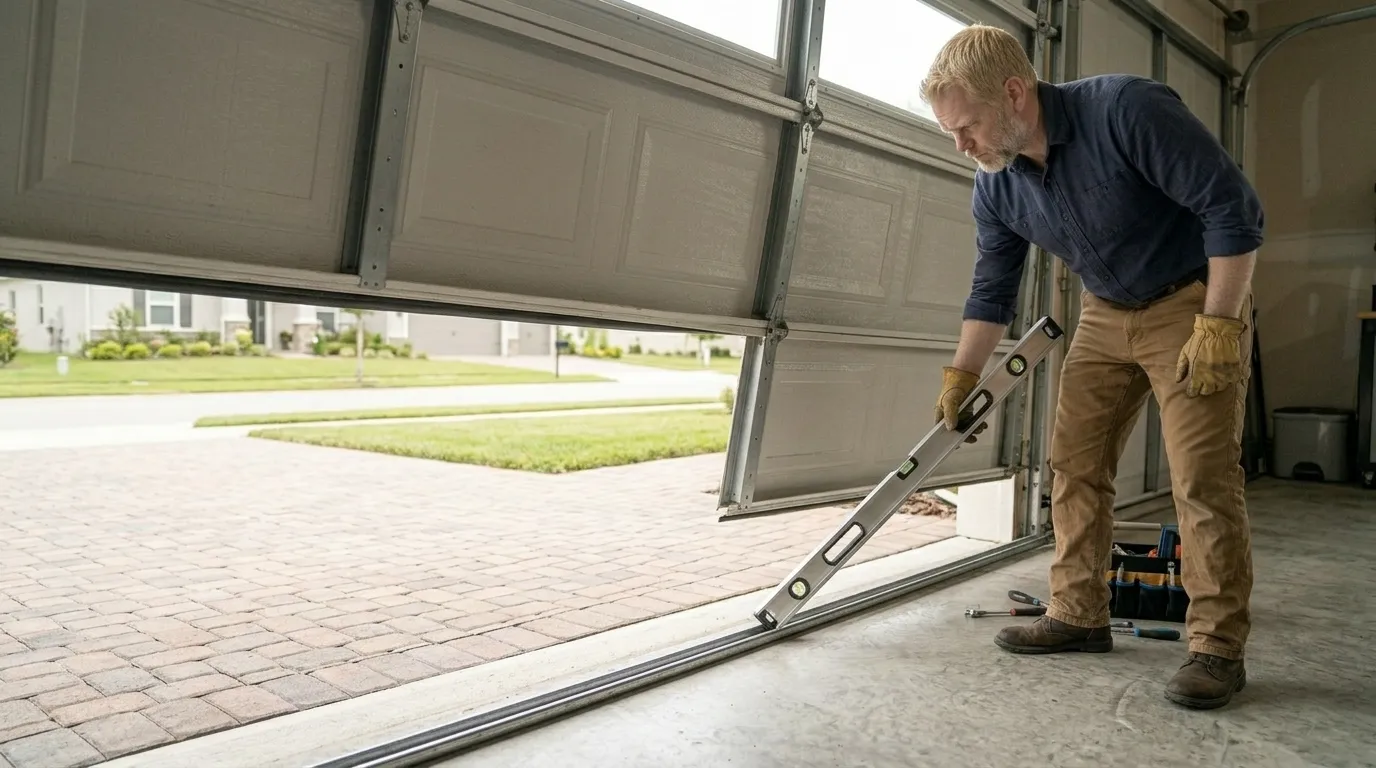
Garage Door Repair Built Around Issaquah's Housing Stock
Issaquah homes built between 1962 and 2005 carry original torsion hardware that wears out the same way. Learn more →
Garage Door Installation for Issaquah's 1980s and 90s Housing Stock
Most Issaquah homes went up between 1962 and 2005, median 1983, so original doors and openers are aging out together. Learn more →Local detail
Why It Happens Here
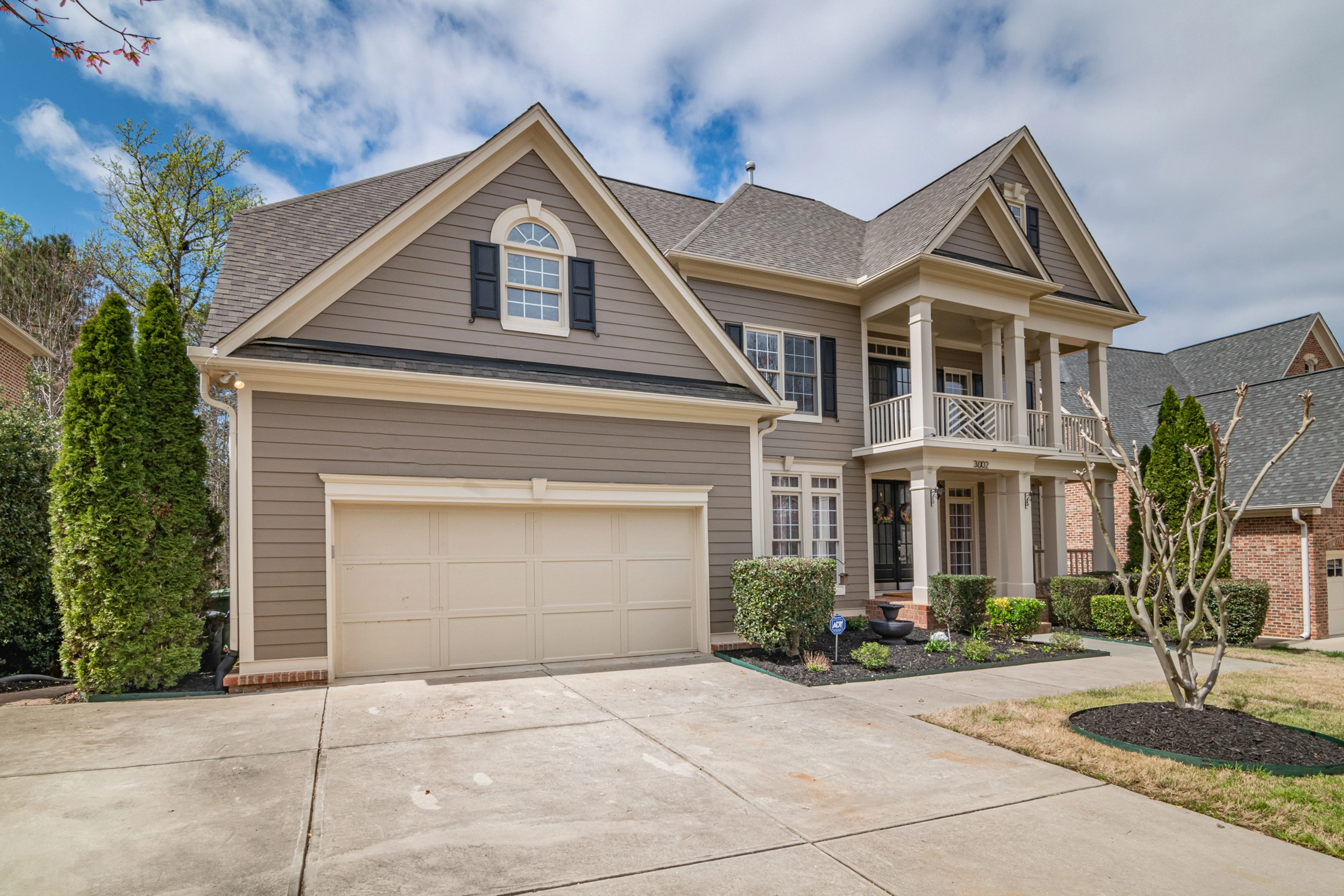
Most of the housing here went up between 1962 and 2005, with the heaviest run in the 1980s and 90s, according to the county's housing data. Across the service area's 34 named neighborhoods, that same 1980s-90s stock repeats itself, which means the original torsion springs installed at construction are now 30 to 40 years past their wind date. A spring is rated for a set number of open-close cycles, not a set number of years, but age still matters because the steel fatigues and the galvanizing wears thin.
The area sits in a cold, moderate climate band, where winter damp works into spring coils and cable strands faster than a dry climate would. Moisture gets into the coil gaps, rust starts at the wind points, and the spring loses tension unevenly instead of all at once. That uneven loss is what makes a door from a 1980s build feel heavier on one side before it finally lets go. Openers from the same era are chain-drive units with worn sprockets and drying gear grease, which adds strain on a spring that's already tired. It's the combination - old spring, old opener, damp cold - that shows up as service calls here more than any single cause alone.
The area
The Symptom
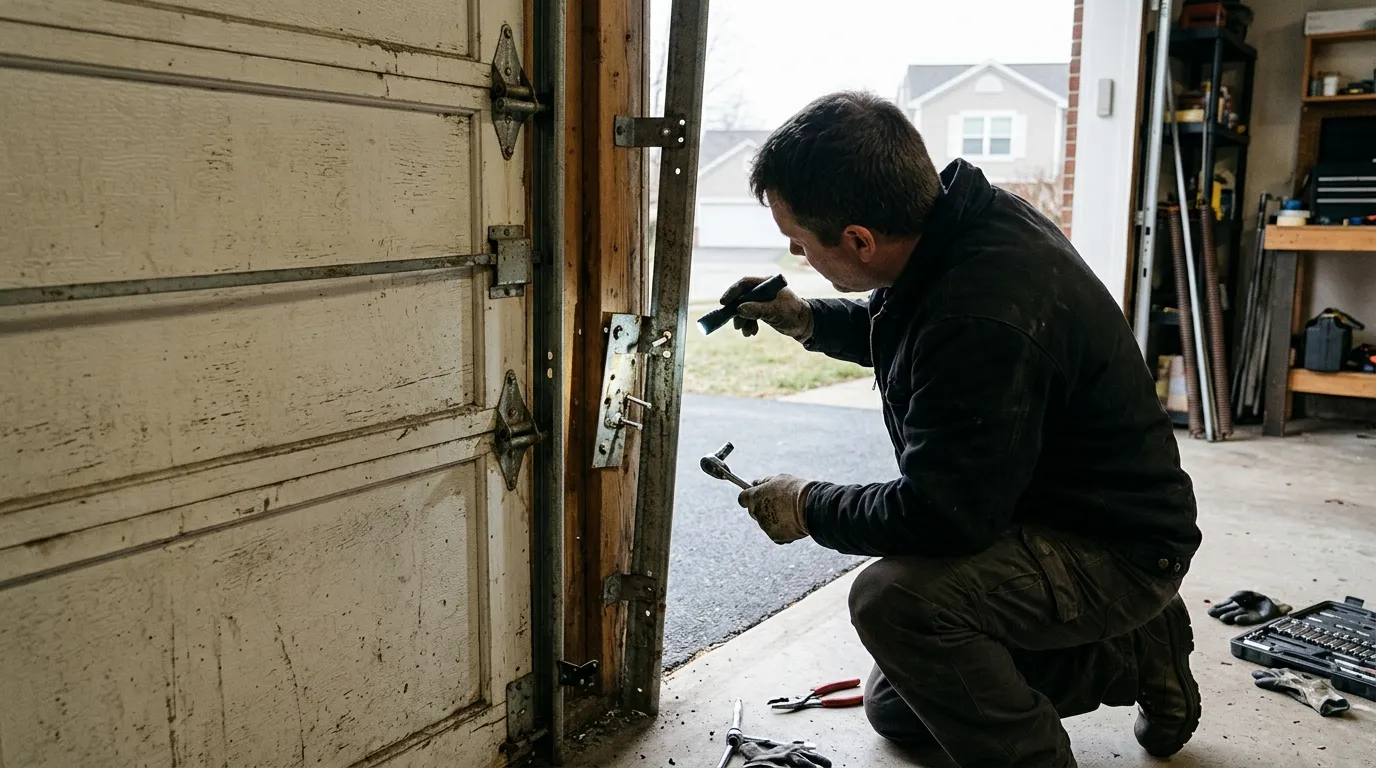
The door gets heavy to lift by hand, or the opener strains and groans partway through the cycle instead of running smooth top to bottom. Some owners hear a loud bang from the garage - that's a torsion spring letting go, usually while the door is closed. Others notice the door creeping open a few inches on its own overnight, which means a cable has started to slip off a worn drum.
On double doors original to a 1983-era build, a common pattern is one spring still holding while its twin has lost tension, so the door racks sideways as it opens - one corner rises faster than the other and the panel binds in the track. If your opener runs but the door doesn't move, or moves and stops, that's often the opener trying to lift a spring that's no longer doing its job, not a failed motor. Running it that way for more than a few cycles adds wear to the opener gears that a spring job alone won't fix.
What we find
Parts We Carry
For doors from the 1962-2005 build era common across this area, we stock torsion springs sized to the wind and drum diameters used on that generation of doors, plus the galvanized lift cable, steel rollers, and drum sets that wear alongside them. We also carry extension springs and safety cables for the older lift systems still found on some of the 1970s and early-80s builds.
We don't stock every spring size on the truck - a handful of wider commercial-width doors or oddball wind counts need to be ordered, and we'll tell you that up front rather than guess at a fit. For openers, we carry standard drive gears, sprockets, and belts that match the chain and belt units common to this housing stock, so most opener repairs don't turn into a full replacement.
How we work
What the Repair Takes
A torsion spring replacement on a standard door usually means pulling both springs as a pair, even if only one broke - the other is the same age and close behind it. We check the cable, drums, and rollers at the same time, since those parts wear on the same schedule as the springs on a house from this era.
Most jobs finish in one visit from the truck stock we carry. If your door needs a spring size we don't carry, we'll order it and give you a straight answer on when it'll arrive rather than force a mismatched spring onto your door - that's the one thing we won't do, because a wrong-rated spring either won't lift the door right or wears out again within a year. At a median household income of $148,590 across the service area, most owners here choose a full torsion spring replacement with new cables and rollers rather than patching just the broken part, since the parts fail close together anyway.
Questions
Common questions
Why did my garage door spring break with no warning?
Torsion springs fail by fatigue, not by a single event, so there's rarely a warning beyond a slow loss of lift you might not notice day to day. In a 1980s or 90s build, the spring has usually had 30-plus years of freeze-thaw cycles and damp winters working on the coil, which speeds up the fatigue compared to a newer install.
Do you carry the spring size for my door on the truck?
For the standard torsion and extension spring sizes used across this area's 1962-2005 housing stock, yes. Wider or commercial-width doors sometimes use a size we don't stock, and in that case we order it and tell you the timeline rather than fit something close.
Should I replace both springs or just the broken one?
We generally recommend both, since they're installed as a pair and wear at close to the same rate. Replacing only the broken one means the second spring - often just as old - is likely to go within a year, which means paying for a second service call and labor twice.
Can I run the opener while a spring is broken?
You can, but it strains the opener's gears and motor to lift weight the spring should be carrying, and it can damage the drive assembly. If a spring has broken, treat the door as manual only until it's fixed.
Ready when you are
Need a garage door sorted in Issaquah?
Issaquah Garage Door Pros repairs and installs garage doors, springs and openers in Issaquah, WA and the surrounding area.