
Guide
What Replacing a Garage Door Actually Looks Like Here
A look at how Issaquah's 1962-2005 housing stock and cold-moderate climate affect replacement door sizing, insulation, and timing for local owners.
Local detail
How Local Conditions Play In
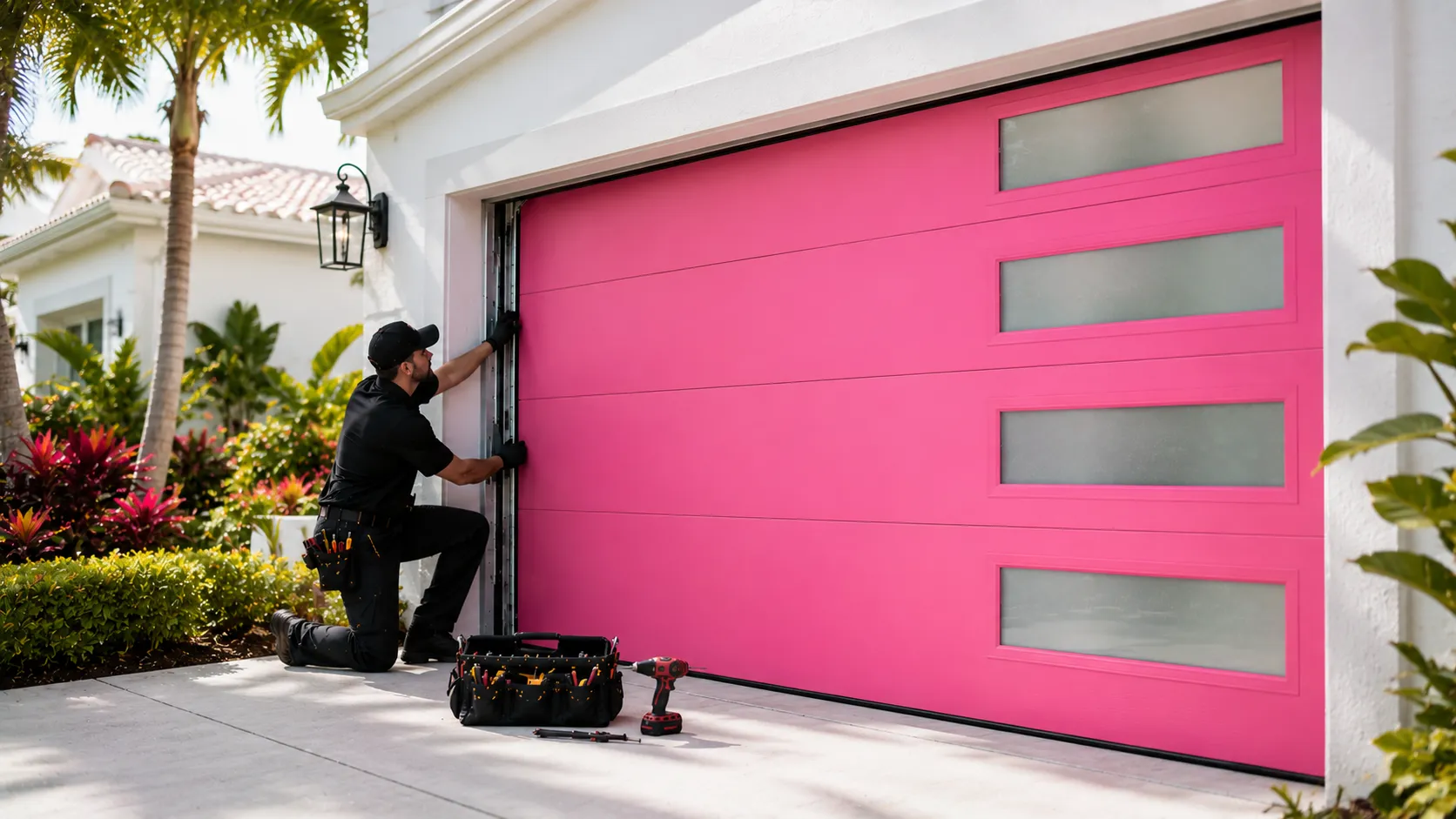
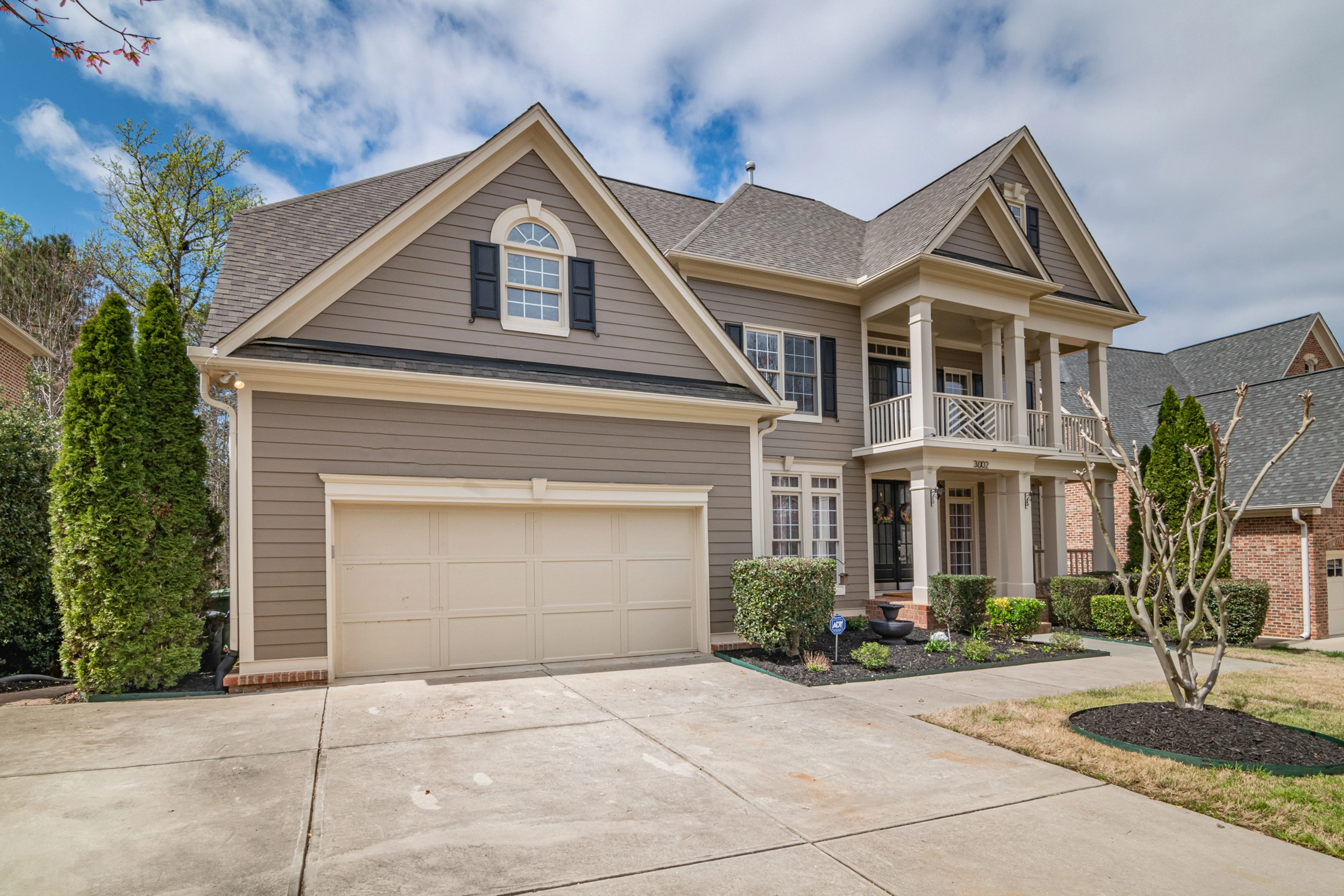
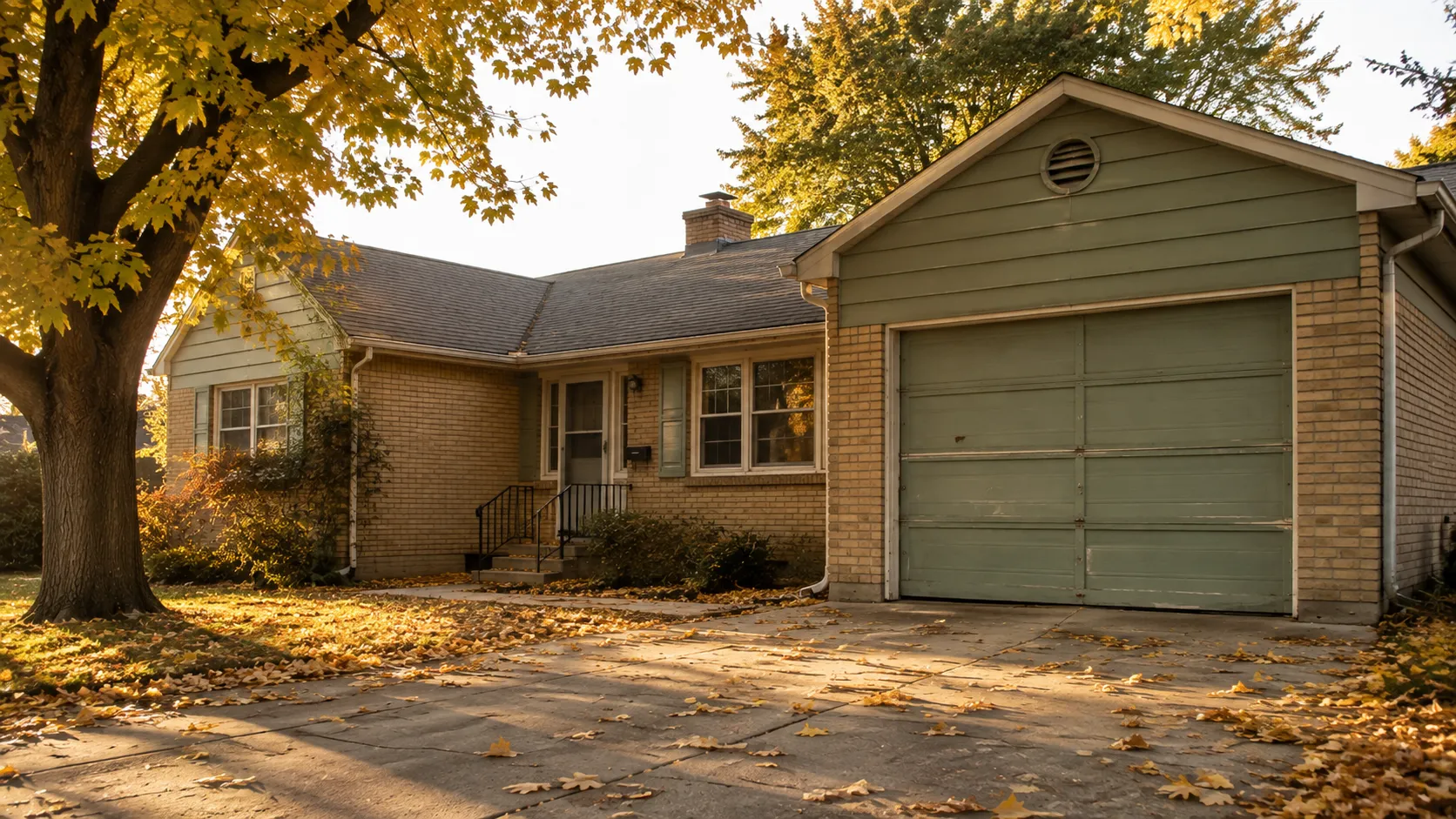
Most of the houses standing in and around Issaquah went up between 1962 and 2005, with the median build year landing around 1983. That single fact does more to shape a replacement job than anything else. A door bought for a house from that era has to fit an opening framed to builder specs from decades ago, not the wider bays you see in new construction out toward Issaquah Highlands. Track height, header clearance, and the width of the rough opening all follow from when the house was framed, and a lot of these openings are narrower or shorter than what shows up on a showroom floor.
Across the 34 named areas in this service territory, the stock runs mostly 1980s and 90s construction, which means steel sectional doors on extension or torsion springs sized for that generation of garage. If your house sits in one of the older pockets closer to the center - North Issaquah, Gilman, Olde Town - you're more likely dealing with original hardware that predates current spring and cable standards. If you're further out in newer subdivisions, the opening is probably a more standard modern size, but the door itself may already be 20-plus years old and due. Either way, measuring the actual opening before ordering anything is the first real step, not the last.
The area
The Seasonal Bit
Issaquah sits in a cold-moderate climate band, not the deep-freeze conditions you'd plan for further inland, but enough of a real winter to matter for door choice. That means insulation rating isn't decoration - a foam-core door holds a garage's temperature enough to keep pipes and a water heater in an attached garage from becoming a January problem, and it also cuts down on the condensation that forms on an uninsulated steel door when warm air inside meets cold air outside.
It also means moving parts take a beating. Steel tracks and springs that go through repeated cold-to-warm cycles each year need lubrication more often than the same hardware would in a place with a flatter temperature curve. If you're replacing a door now, this is the point to also swap in weatherstripping rated for the swings the climate band produces here, not the bargain strip that ships standard on the cheapest models. It costs a little more up front and it's the difference between a door that seals in February and one that doesn't.
What we find
What to Check
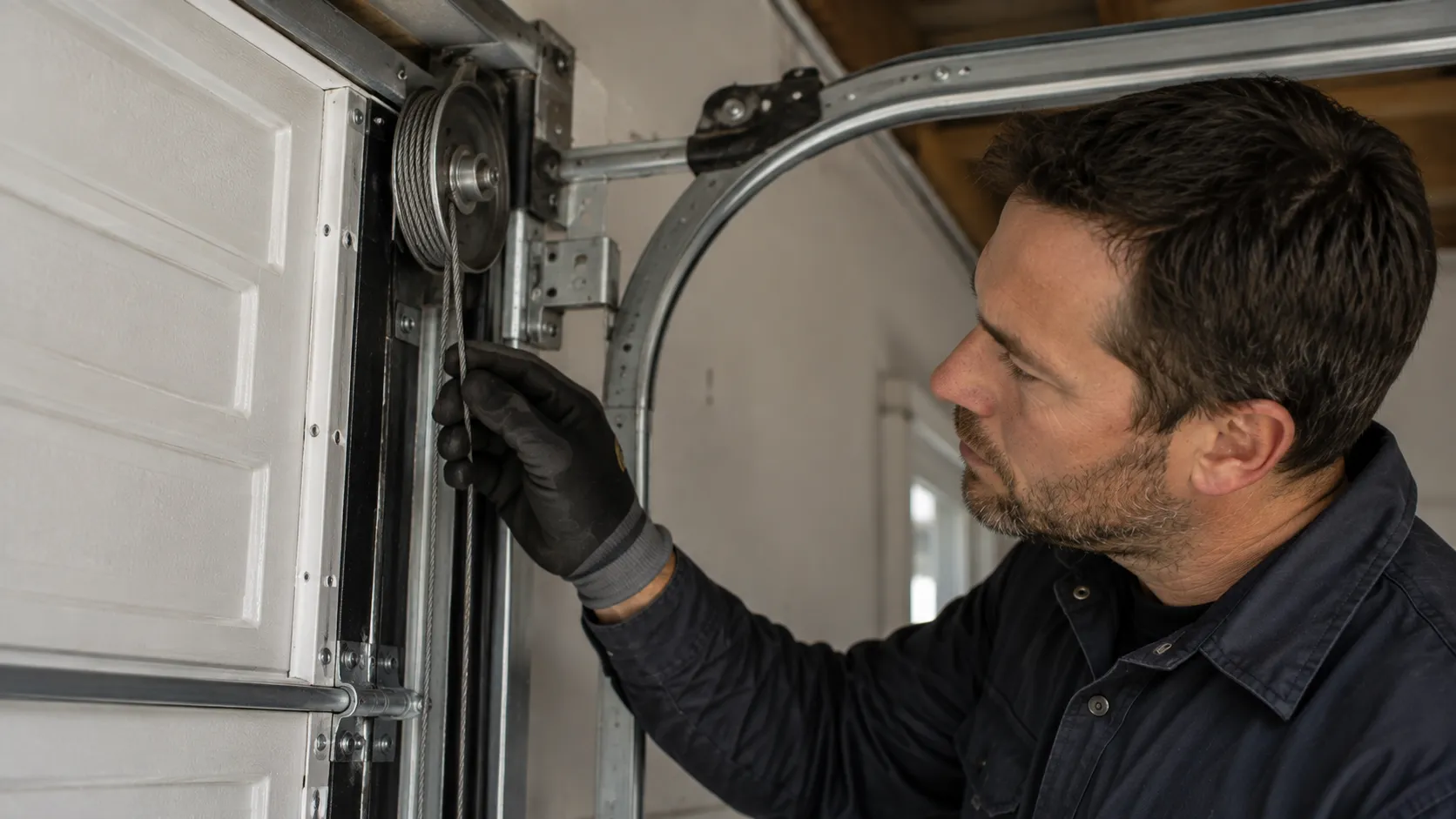
Before you call anyone about a replacement, walk out and look at three things. First, the header above the opening - on houses from the 1962-2005 range, this is often sized tight, and it determines whether a torsion spring setup will clear or whether you're stuck with the older extension-spring style still common in that vintage of construction. Second, the slab itself - concrete poured in the 1980s and 90s has had decades to settle, and an uneven slab means the new door needs bottom seal adjustment that a generic install skips.
Third, check what's actually failing. A door that won't open smoothly might just need a spring, not a full replacement - swapping the whole unit when the panels and track are sound is money you didn't need to spend. Given the median household income in this service area runs near $148,590, most owners here can afford to do the job right rather than patch it twice, but that's still a reason to confirm the diagnosis before signing off on a full door instead of a repair.
How we work
What Is Going On
Here's the honest limitation: we can tell you what era your house was likely built in and what that means for door sizing and hardware, but we can't tell you the exact opening dimensions or spring type without measuring your garage in person. Two houses built the same year on the same street can still have different rough openings depending on which builder framed them, and guessing from an average is how people end up ordering a door that doesn't fit.
What we can say with confidence is that buying a replacement door here usually means matching a steel sectional to an opening framed sometime in the 1962-2005 window, choosing an insulation rating that actually earns its keep in a cold-moderate climate, and deciding honestly whether the existing spring and track are worth reusing. That's a different set of questions than you'd face buying a door for a brand-new build, and it's why a generic big-box door kit often doesn't fit right the first time it goes up on an older Issaquah garage.
Questions
Common questions
What size garage door do I need for a house built in the 1980s around Issaquah?
It depends on your builder, but houses from that era commonly have narrower rough openings and lower headers than new construction. We'd measure your actual opening rather than guess from the build year, since two houses from the same year can differ by a few inches in ways that matter for spring and track clearance.
Does an insulated door actually matter in Issaquah's climate?
Yes. The area sits in a cold-moderate band, so an insulated steel door helps hold garage temperature through winter swings and cuts down condensation on the inside of the panel. It's a bigger factor here than in a climate that stays mild year-round.
Should I repair my old door or replace it?
If the panels and track are sound and it's a spring or cable failing, a repair is usually the cheaper and faster call. Full replacement makes more sense when the door itself is original to a house from the 1962-2005 build era and the hardware is outdated or hard to source parts for.
Ready when you are
Need a garage door sorted in Issaquah?
Issaquah Garage Door Pros repairs and installs garage doors, springs and openers in Issaquah, WA and the surrounding area.