
Single Worn Component
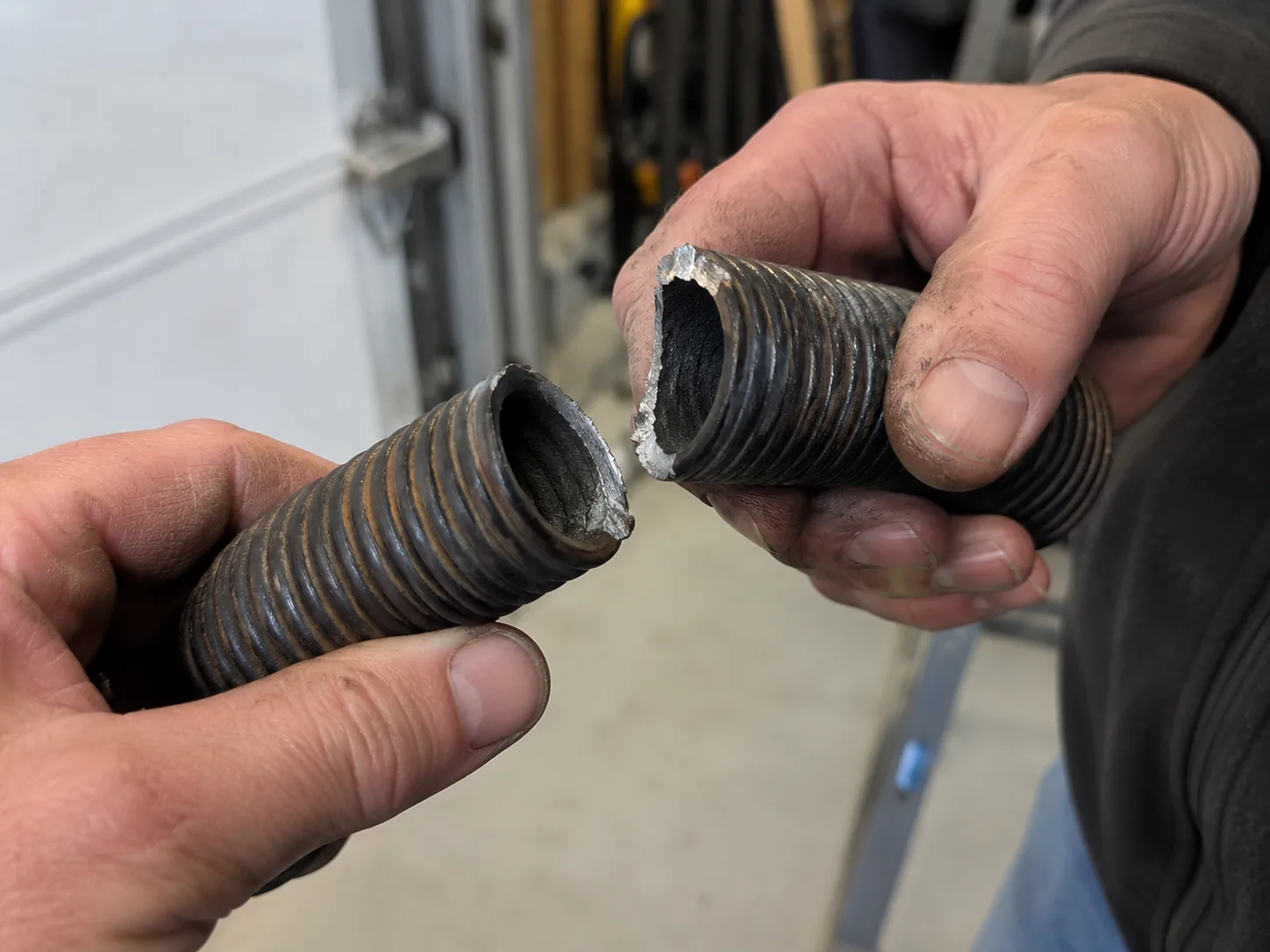
A cable, roller, spring, sensor, or other isolated failure can often be repaired when the rest of the system remains serviceable.
Local garage door service · Issaquah, WA
Garage door repair and installation for Issaquah homes built mostly between 1962 and 2005, covering opener installation, opener repair, panel replacement, roller replacement, spring repair, and the residential systems common across the area's 1980s- and 90s-heavy housing stock.
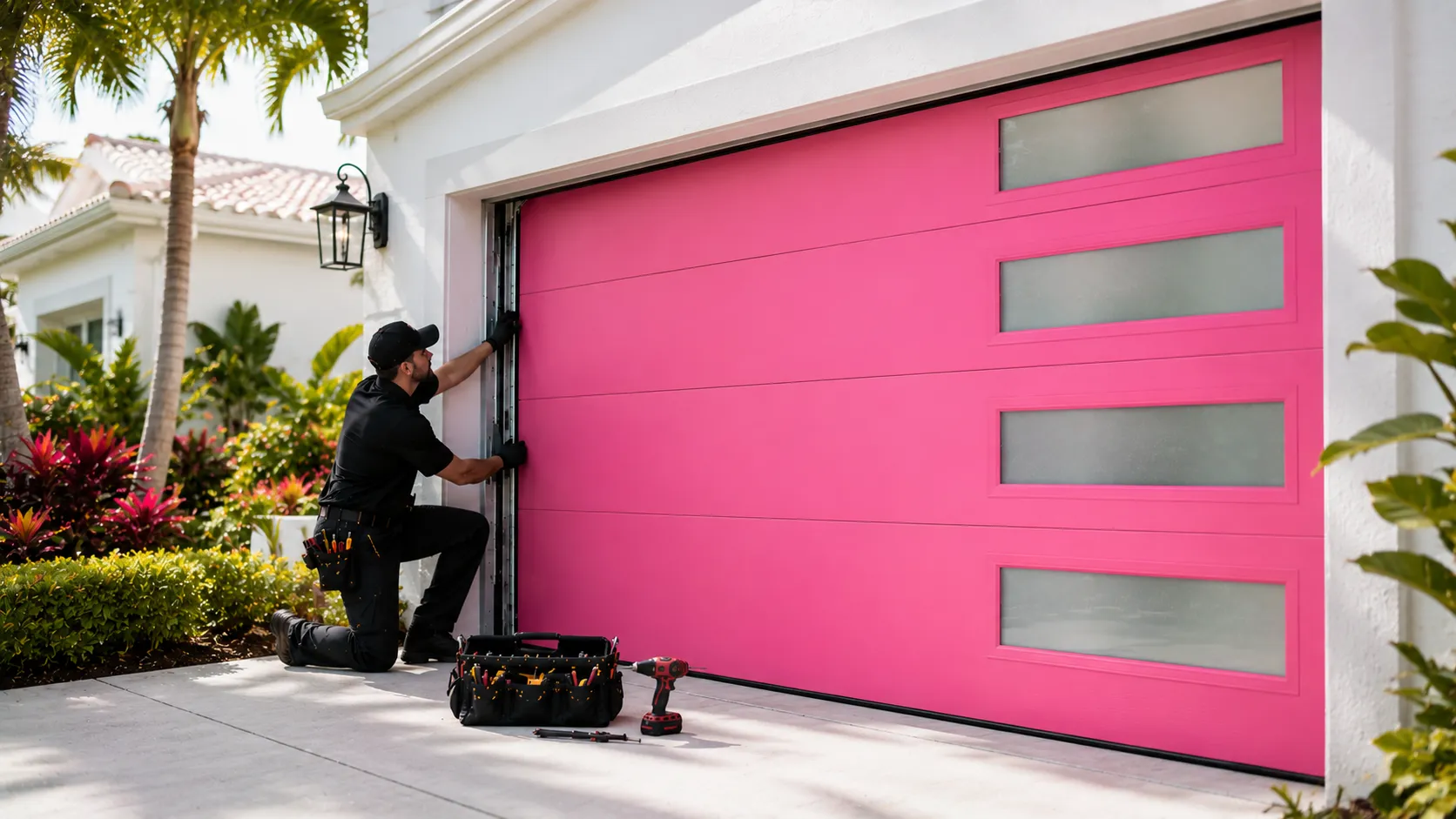
Garage door services
From installation and general repair to opener work, panel replacement, roller replacement, spring repair, and complete garage door service, the lineup is built around the systems common across Issaquah's mixed-age housing stock.
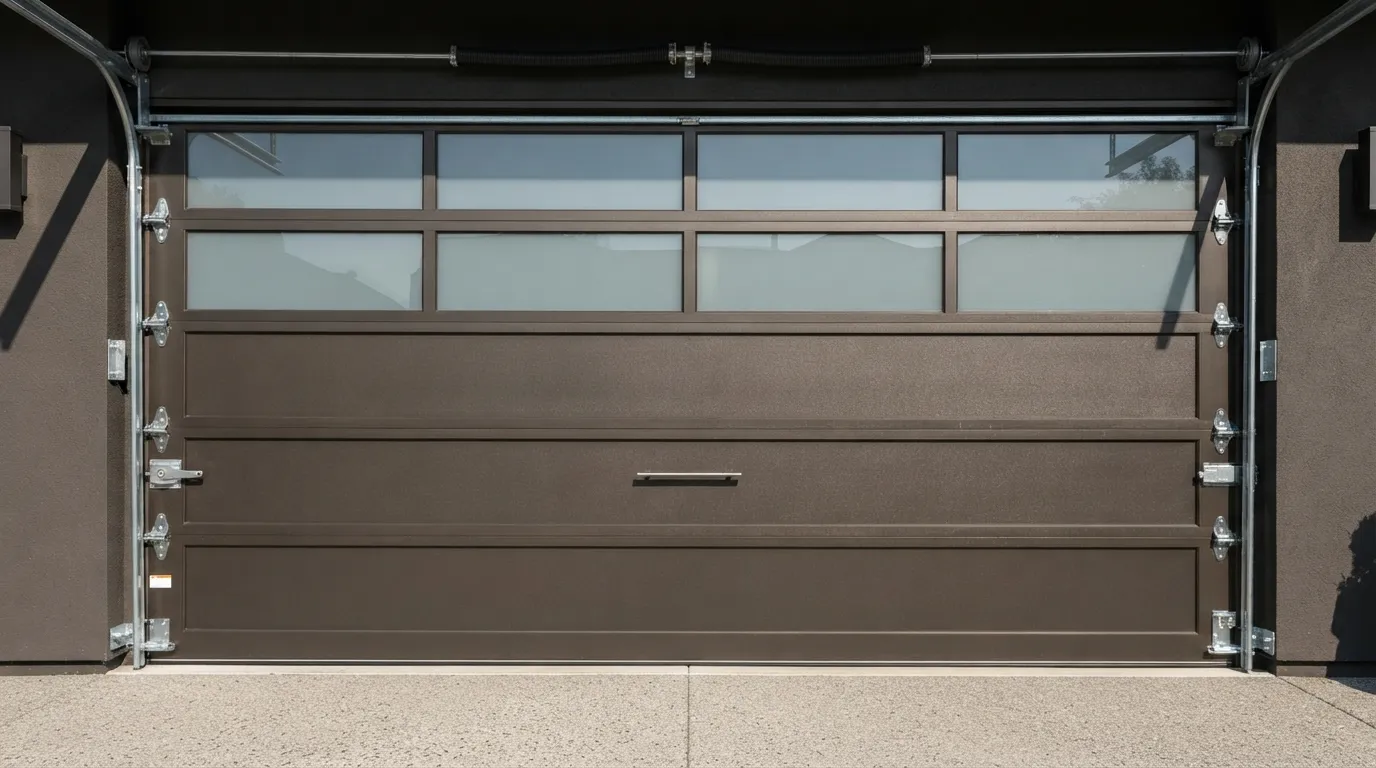
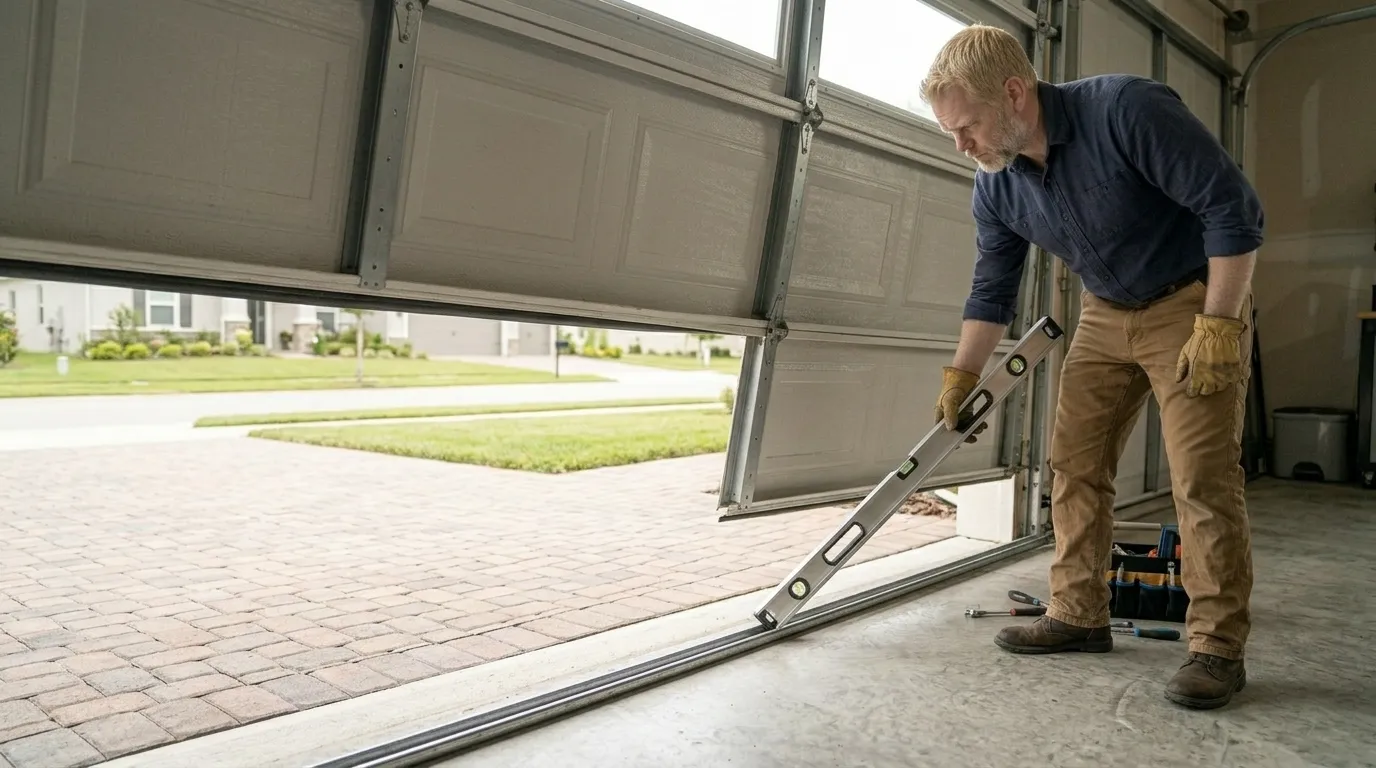
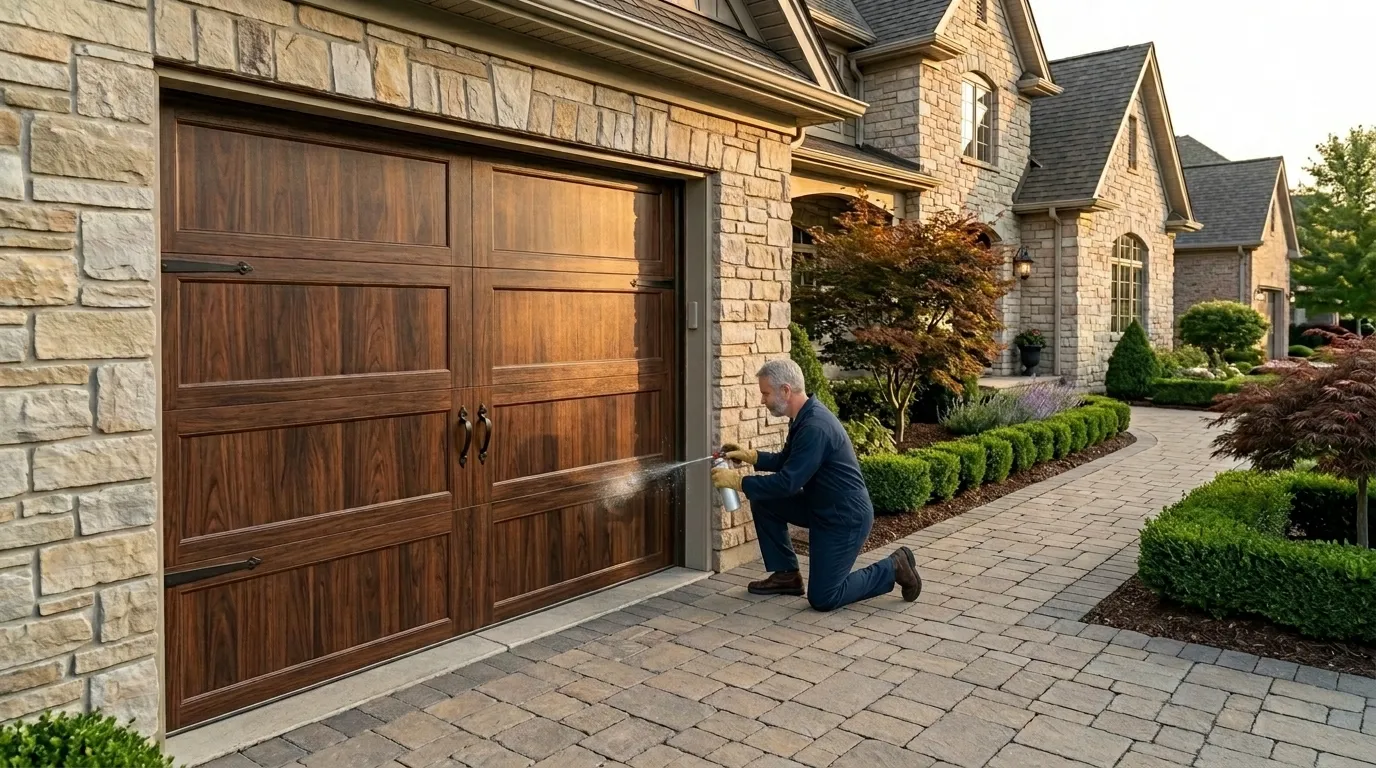
What to expect
We start with what the door is actually doing, use the symptoms and system age to point toward the likely cause, inspect the actual door before quoting, and explain your options before any work begins.
Tell us whether the door won't move, a spring snapped, the opener runs without lifting the door, or something sounds or moves differently. That symptom is the starting point.
The symptoms and approximate age of the system can help point toward springs, cables, rollers, tracks, opener components, or other hardware.
We check the actual door, spring configuration, opener, tracks, and surrounding hardware before setting the final repair price.
The immediate failure, repair scope, parts needs, and whether replacement makes more sense are explained before work begins.
Some Older Parts May Need Ordering
If an older component is discontinued, a compatible substitute may need to be ordered rather than being available immediately.
Repair or replace?
An older garage door is not automatically a replacement candidate. Repair remains practical when the door structure is sound and the failure is isolated, while replacement becomes more sensible when several major components are deteriorating together.
A cable, roller, spring, sensor, or other isolated failure can often be repaired when the rest of the system remains serviceable.
Replacement becomes more practical when tracks, panels, springs, and an aging opener are all requiring major work at the same time.
Older steel or wood-composite panels can remain worth keeping when the structure is sound and the failure is limited to surrounding hardware.
When essential components are discontinued or difficult to source, replacement can sometimes offer better long-term value than continued repair.
Clear repair guidance
There isn't one flat repair price, because spring work, roller replacement, opener repairs, panel replacement, and installation can involve very different parts and labor.
Spring size, door weight, cable condition, roller wear, track condition, opener age, and hardware availability can all change the repair scope.
Median household income across the broader service area runs around $148,590, with about 88,031 owner-occupied houses among roughly 148,219 households.
We inspect the actual door before giving the final price rather than relying on a sight-unseen estimate.
Parts and labor can then be discussed based on what is actually broken and the generation of hardware installed.
Common Issaquah garage door problems
Broken springs, worn rollers, aging openers, cable wear, track corrosion, and panel problems make up much of the work across Issaquah's mixed-age housing stock. Broken torsion springs are one of the most common repairs across the broader area; rollers wear after years of regular travel while opener logic boards and drive gears fail on older systems; older tracks develop corrosion near the slab after decades of moisture exposure; and cables, springs, rollers, and opener components often come from different generations when a door has been repaired piecemeal — so the correct repair depends on inspecting the complete system rather than assuming the first visible symptom is the only problem.
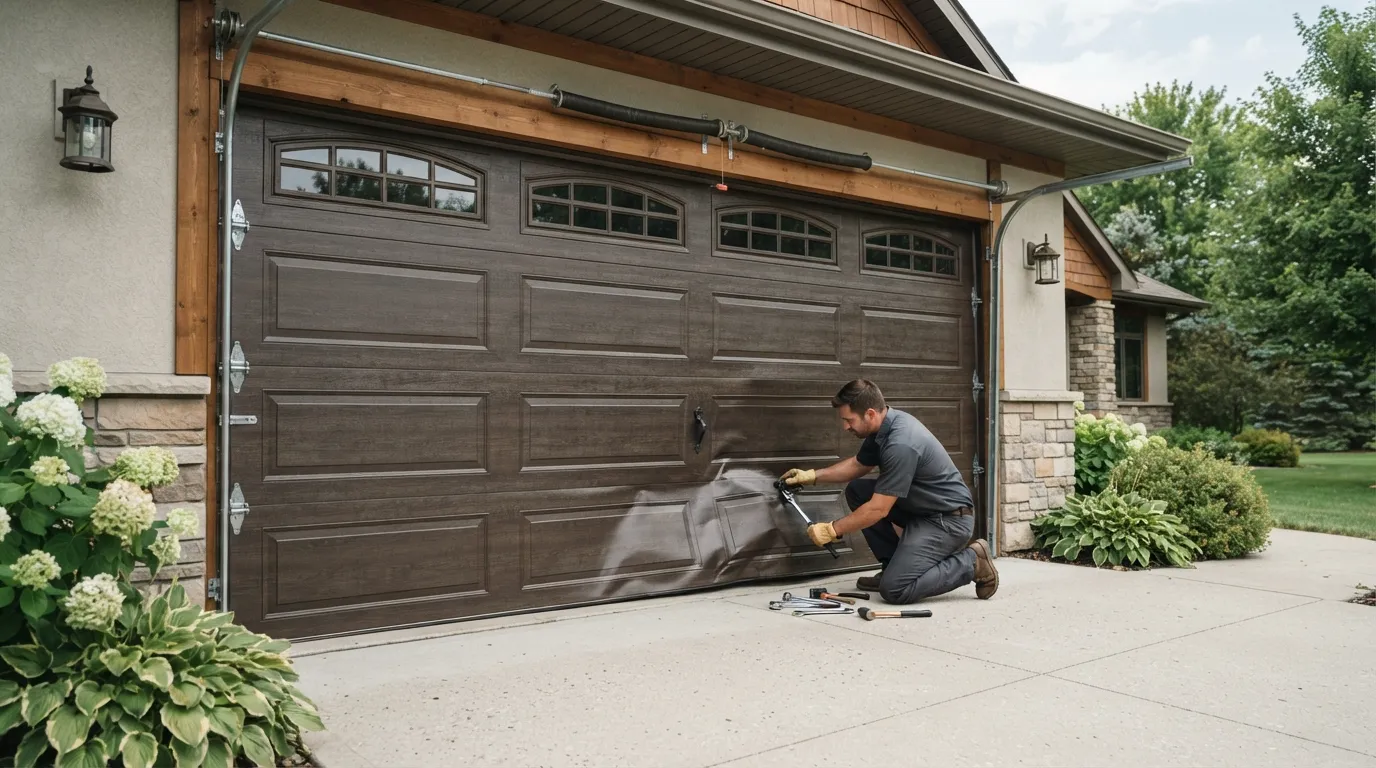
Garage door springs eventually reach the end of their useful cycle life after years of repeated opening and closing.
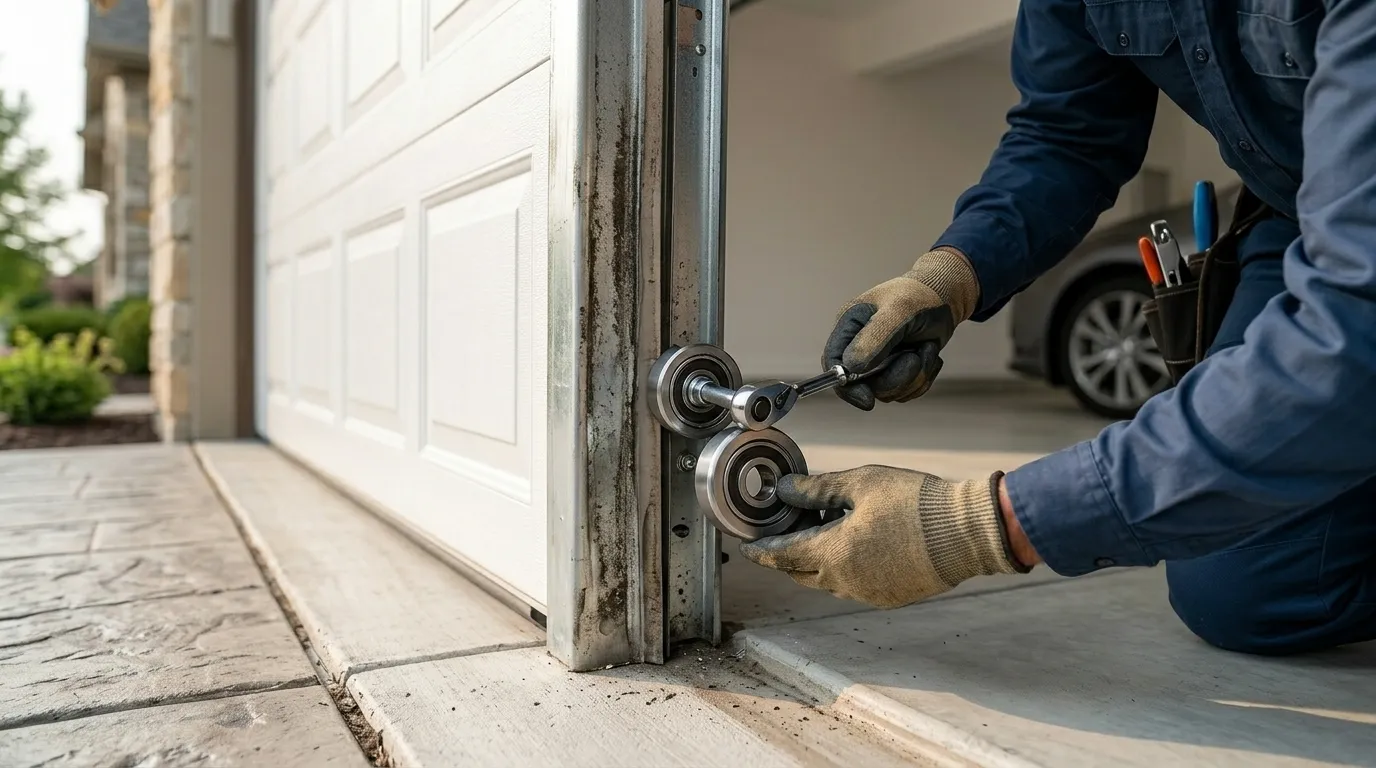
Older rollers can become noisy, rough, damaged, or resistant after years of regular track travel.
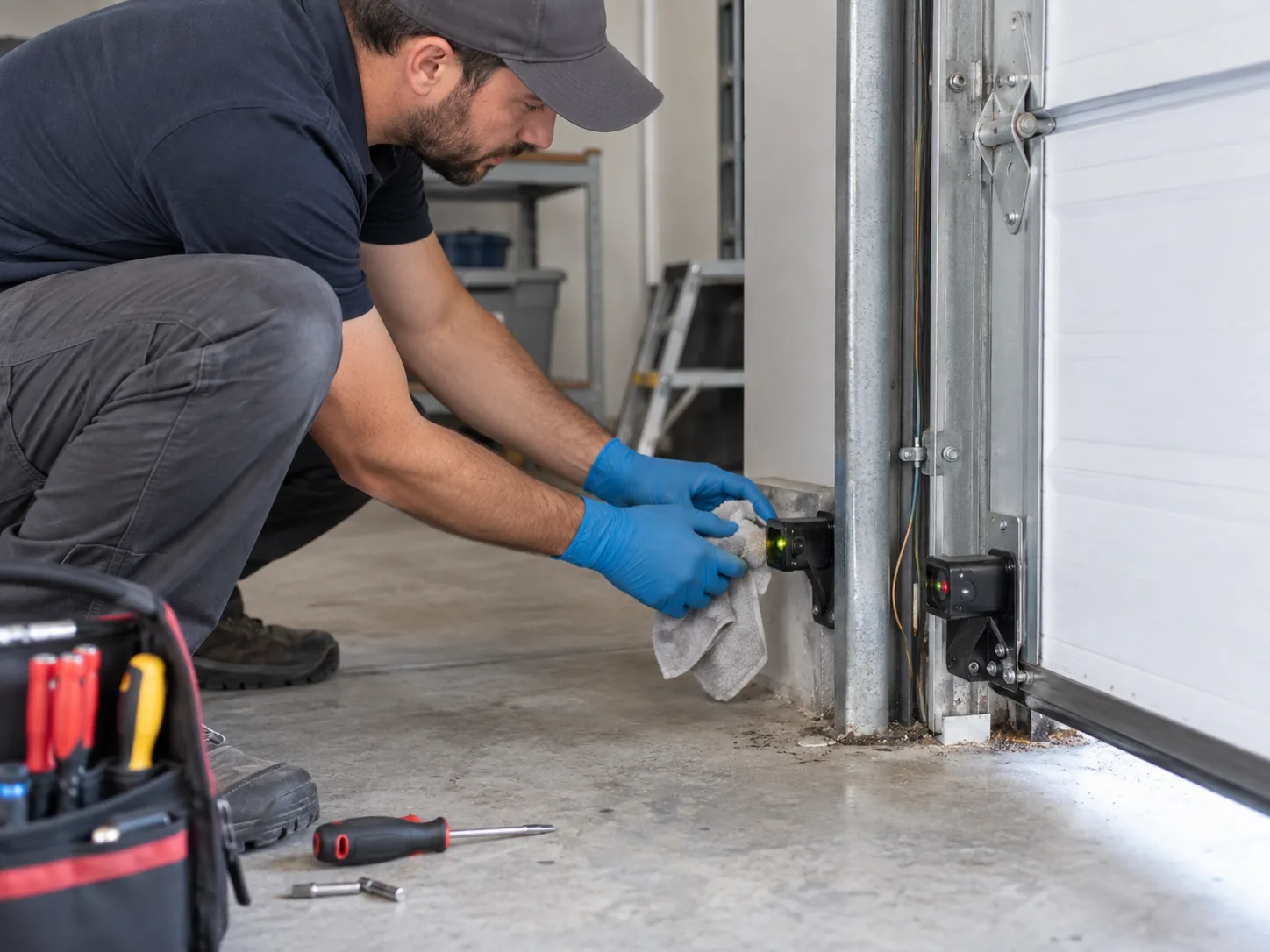
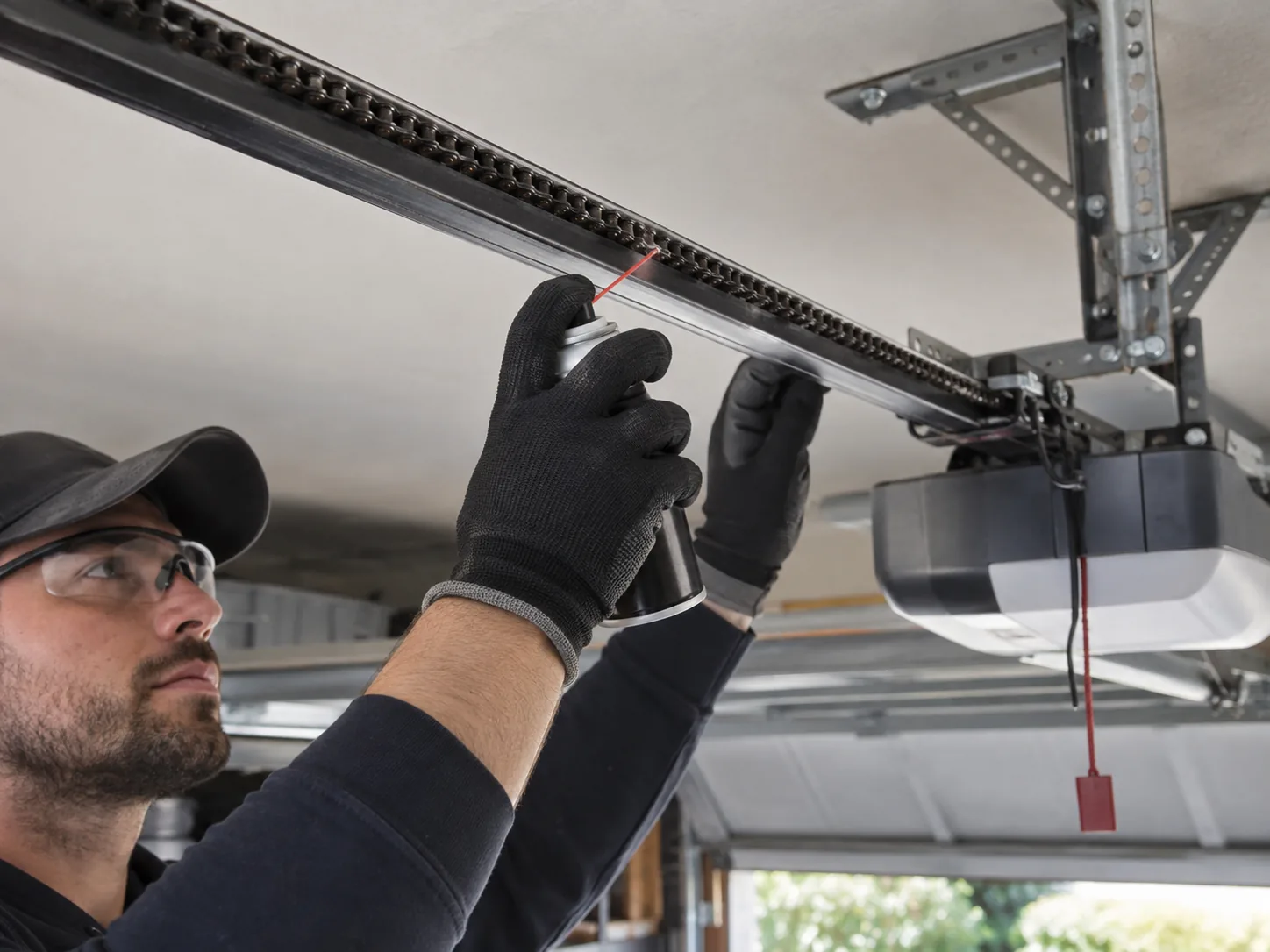
Older opener motors, drive gears, logic boards, sensors, controls, and other components can eventually develop operating problems.
Cables can fray, loosen, slip, or fail after years of carrying repeated lifting loads.
Older tracks and panels can develop corrosion, impact damage, alignment problems, or other long-term wear.
Local housing matters
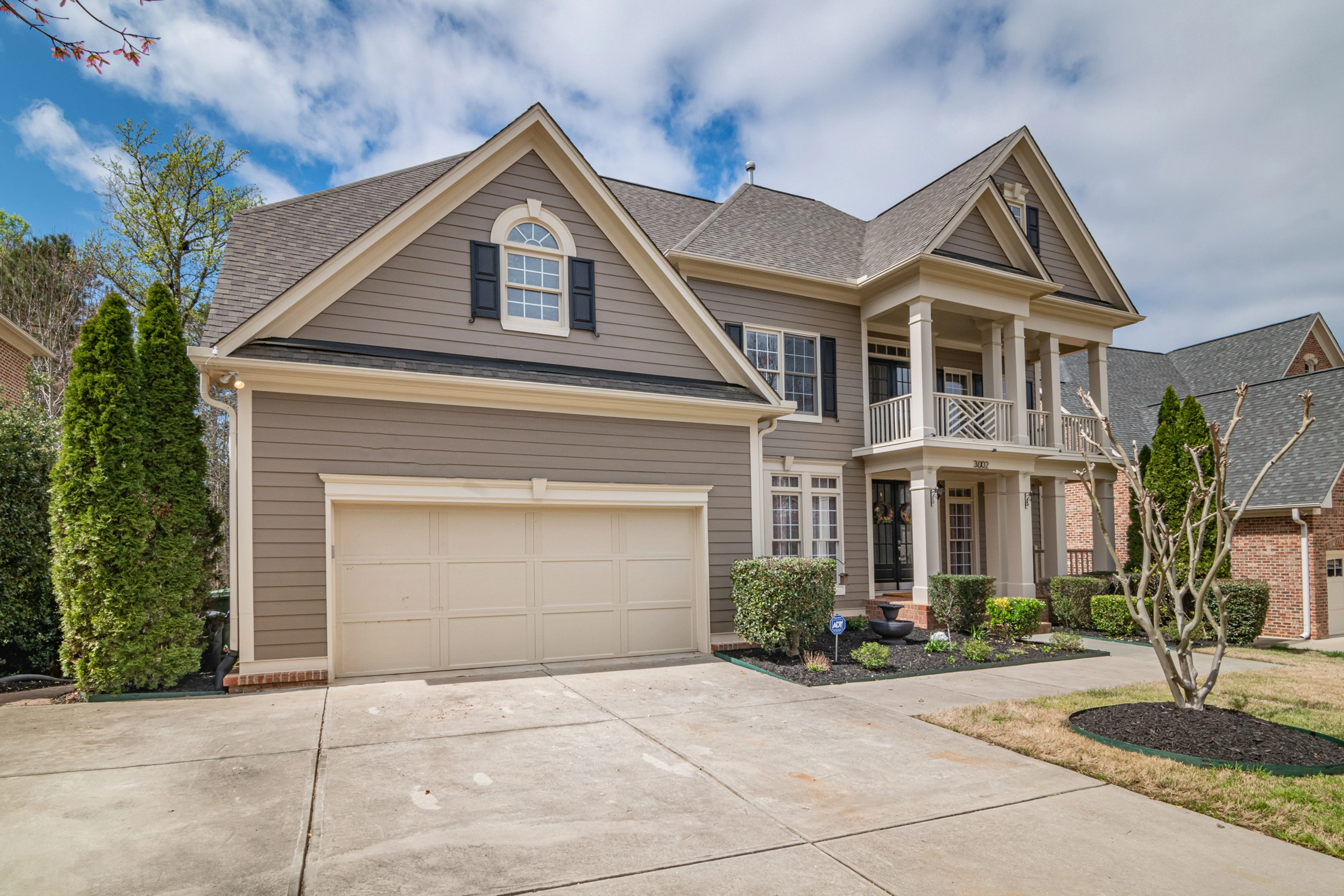
The broader source service area is dominated by homes built between 1962 and 2005, with a median build year around 1983 and much of the housing concentrated in the 1980s and 90s.
That creates a large number of garages with torsion systems, steel or wood-composite panels, electronic openers, rollers, cables, tracks, and mounting hardware from several generations.
The source references approximately 148,219 households across the broader area, including about 88,031 owner-occupied houses.
Older pockets can still have hardware dating back to the 1960s through early 1980s, while newer areas use later door and opener systems.
The build year provides useful context, but the correct repair depends on the hardware actually installed today.
1980s–90s garage door systems
Homes concentrated around the 1980s and 90s can combine older torsion systems, replacement openers, changing panel weights, and several generations of track, roller, cable, and sensor hardware.
Spring size and configuration should be matched directly to the actual weight and construction of the installed door.
Openers from earlier decades can use logic boards, brackets, drive systems, and electronics that differ from current equipment.
A garage may have a newer opener or panel while retaining older tracks, springs, cables, rollers, or mounting hardware.
Earlier homes may use mounting layouts or hardware dimensions that require direct measurement instead of assuming current standards.
Cold & wet garage door wear
The area is cold-moderate and wet, so moisture and cooler conditions tend to expose existing corrosion, lubrication, roller, spring, and opener problems rather than weather alone causing failure.
Cooler-weather operation can expose weakness in a spring that is already approaching the end of its useful cycle life.
Long-term moisture exposure can contribute to corrosion on steel tracks and other hardware, particularly near the floor.
Worn rollers can become more noticeable when an older garage door is already moving with added resistance.
An opener can work harder when spring, roller, track, or balance problems are already making the door difficult to move.
Built around Issaquah garage doors
Issaquah's broad 1962–2005 build window means two similar-looking garages can use different springs, tracks, rollers, panels, openers, and replacement hardware depending on when each system was installed or updated.
Spring dimensions, door weight, roller type, track condition, and opener hardware should be checked directly.
An opener problem can sometimes trace back to springs, tracks, rollers, sensors, or balance rather than the opener itself.
If the structure remains sound and one component is the actual failure, complete replacement isn't the default.
Fully custom architectural doors may require specialty suppliers that stock those specific panels and components.

Service areas
Questions
Yes. We cover the surrounding areas too, including North Issaquah, Gilman, Squak Mountain, and out to places like Snoqualmie Ridge and Mirrormont. Call and tell us where you are and we'll confirm we can get to you.
A lot of houses in this area were built between 1962 and 2005, and openers and springs from that stretch used hardware that's changed since. We keep parts on hand for that era, but occasionally something is discontinued and we need to order a compatible substitute.
Depends on what's failing. One worn part, like a cable or roller, is usually a repair. Multiple failures on a door pushing 20-plus years often means replacement costs less over time than repeated repair visits. We'll tell you honestly which category yours falls into.
Spring size and door age both drive cost, and they vary even between similar-looking houses. We'd rather look at the actual door than give you a number we have to change once we're there.
Ready when you are
Tell us what the door is doing and we'll help you figure out whether you're dealing with a spring, opener, panel, roller, track, installation issue, or an aging system that's reached the point where replacement makes more sense.