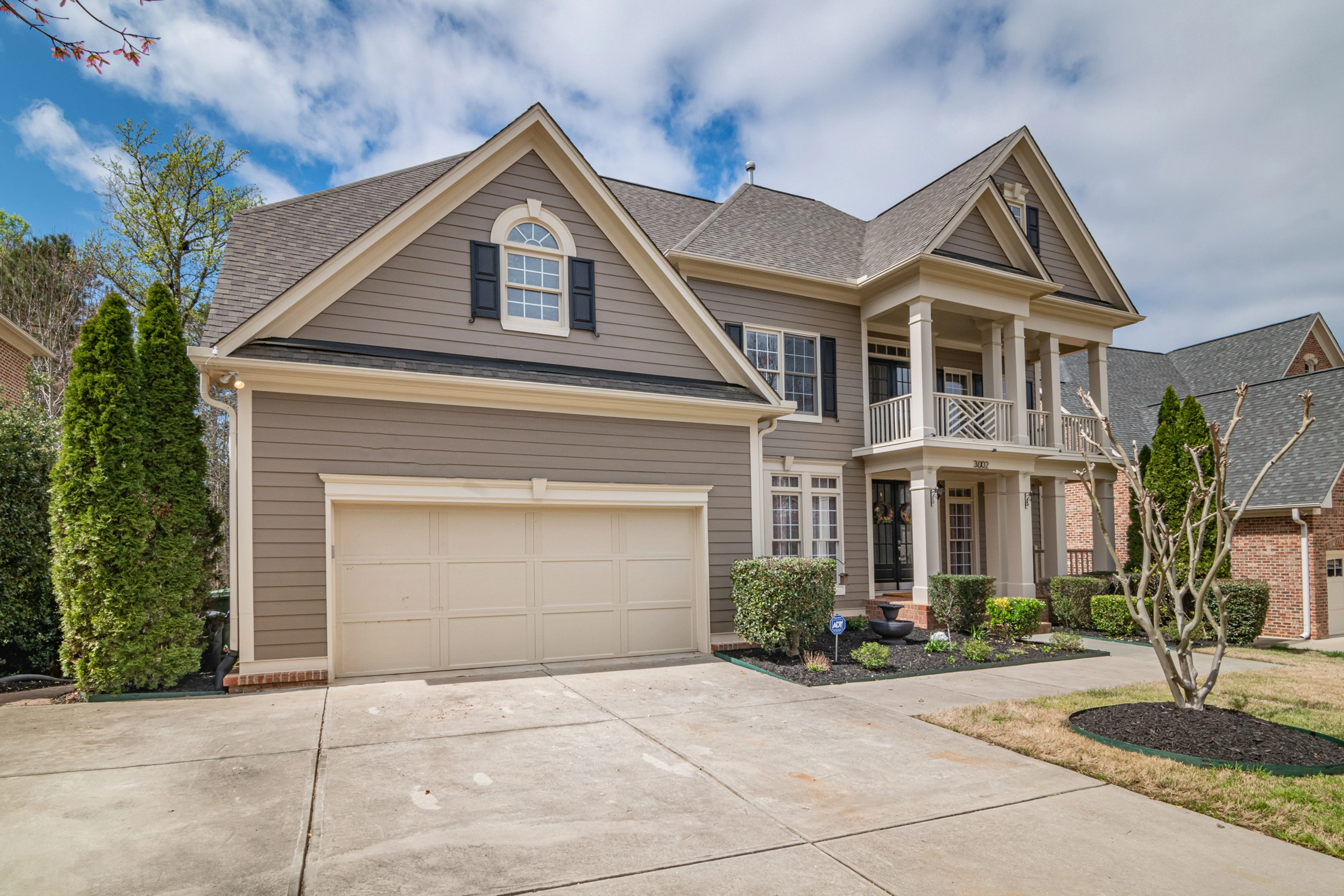
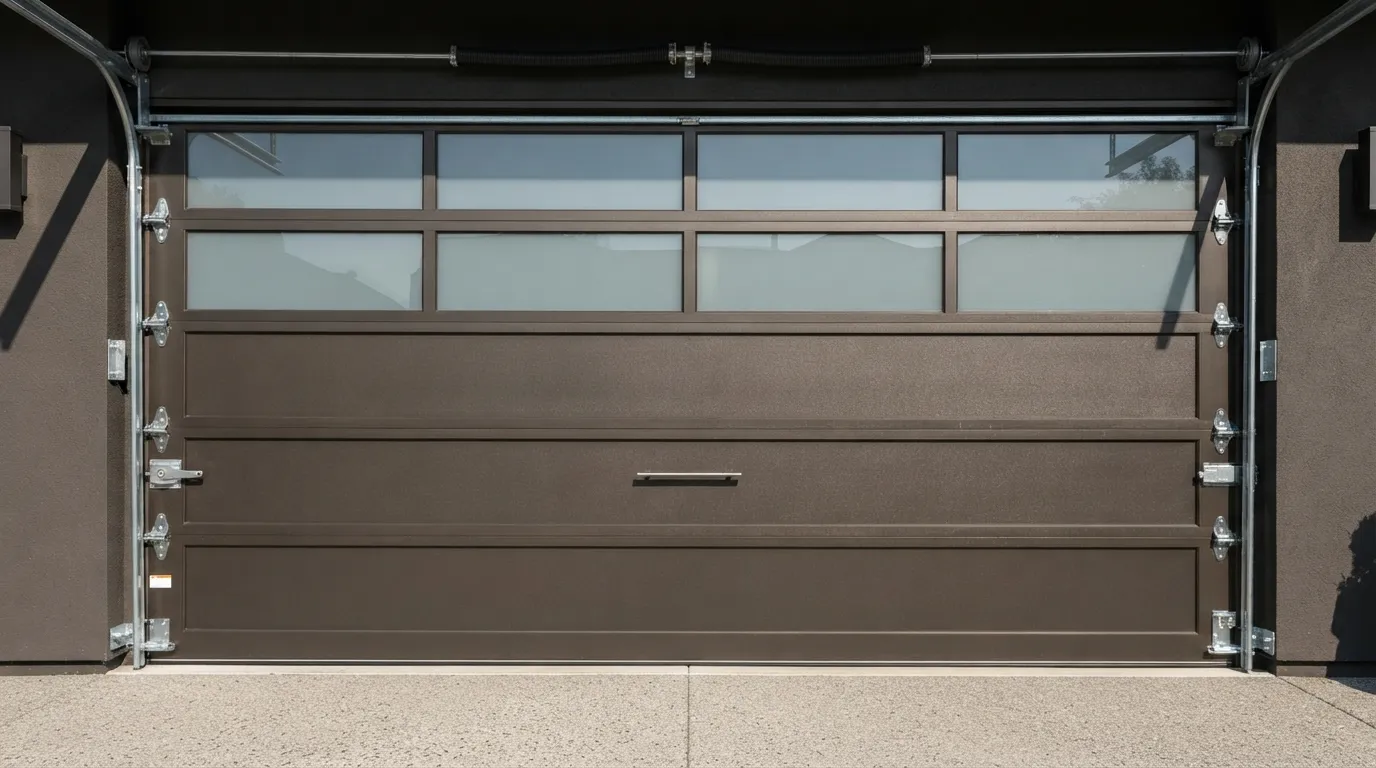
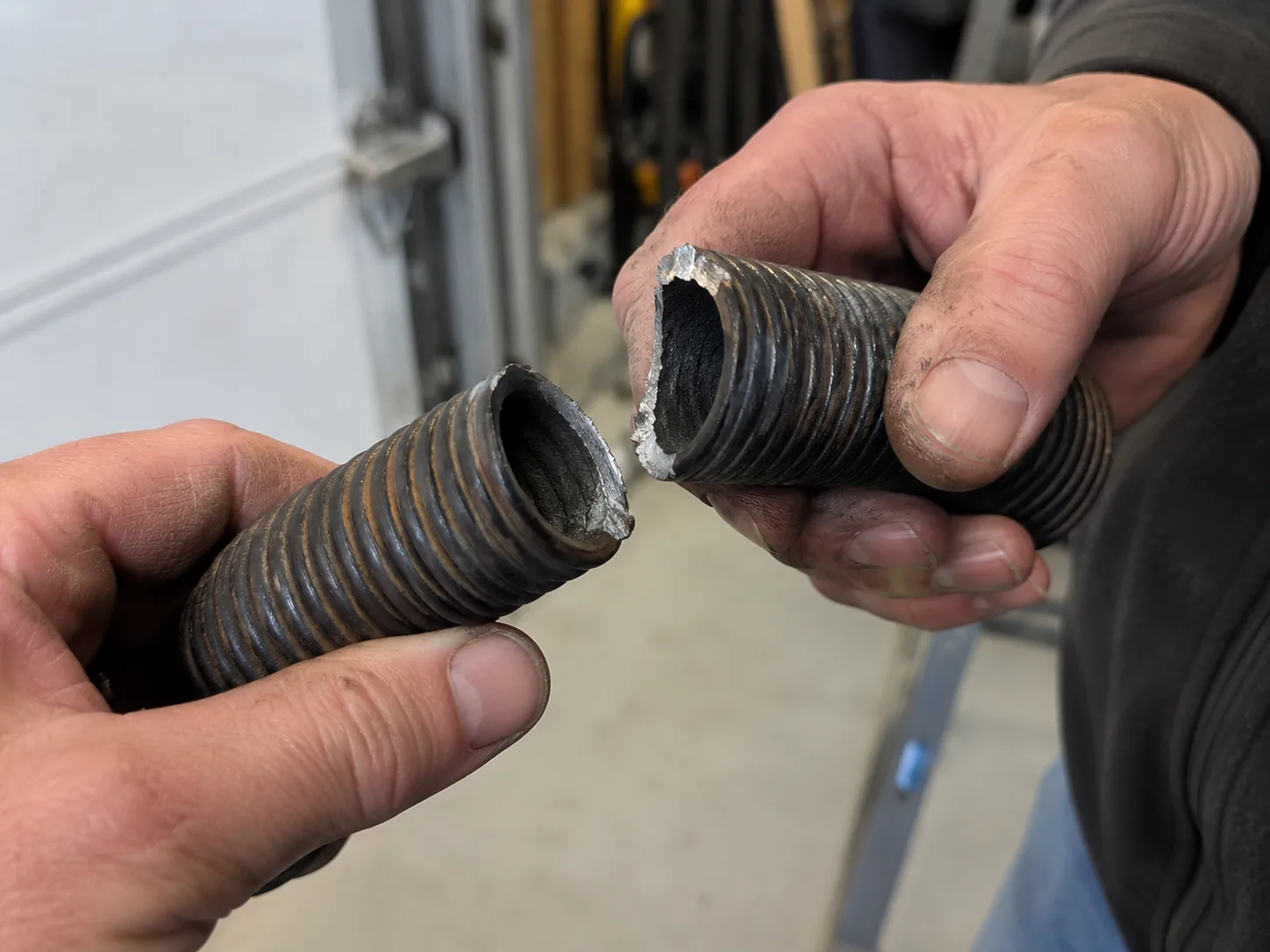
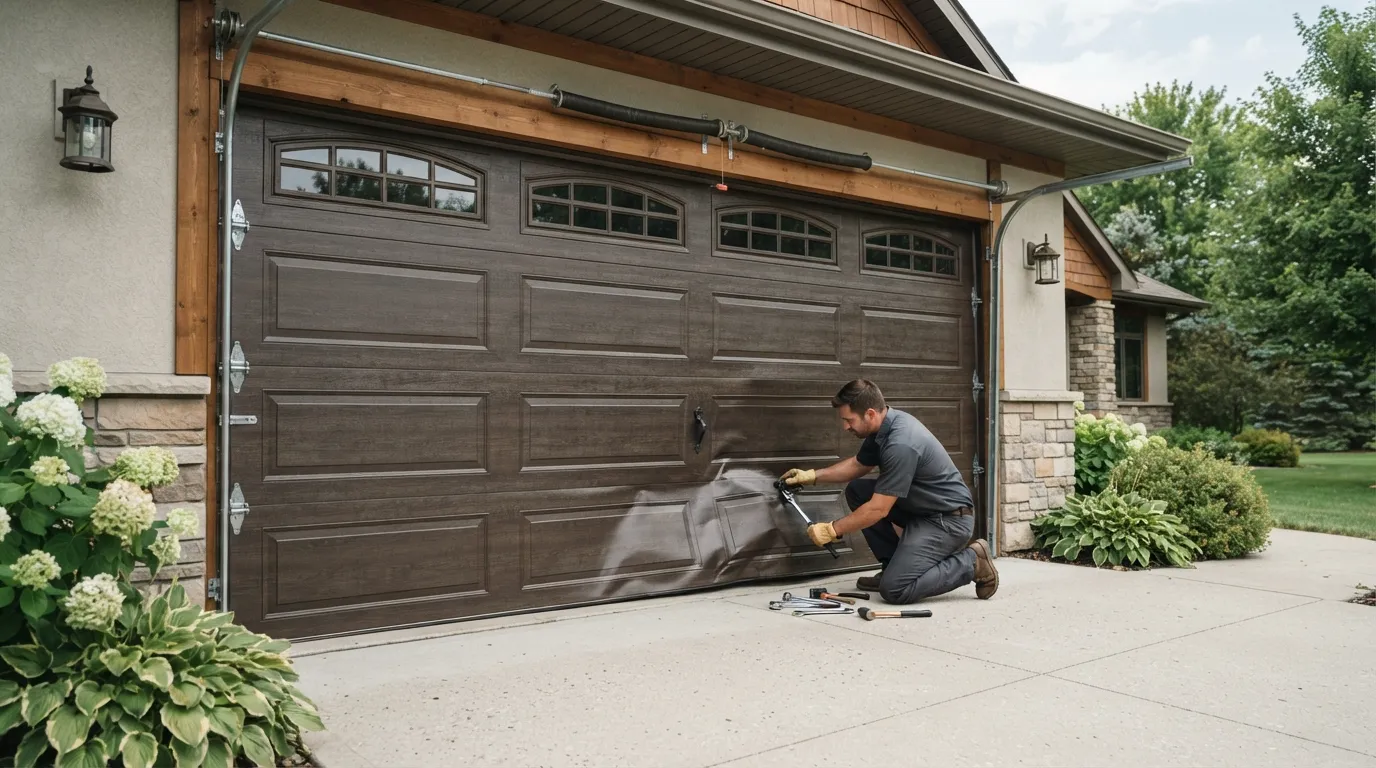
Most of the housing here went up between 1962 and 2005, with the heaviest run in the 1980s and 90s, according to the county's housing data. Across the service area's 34 named neighborhoods, that same 1980s-90s stock repeats itself, which means the original torsion springs installed at construction are now 30 to 40 years past their wind date. A spring is rated for a set number of open-close cycles, not a set number of years, but age still matters because the steel fatigues and the galvanizing wears thin.
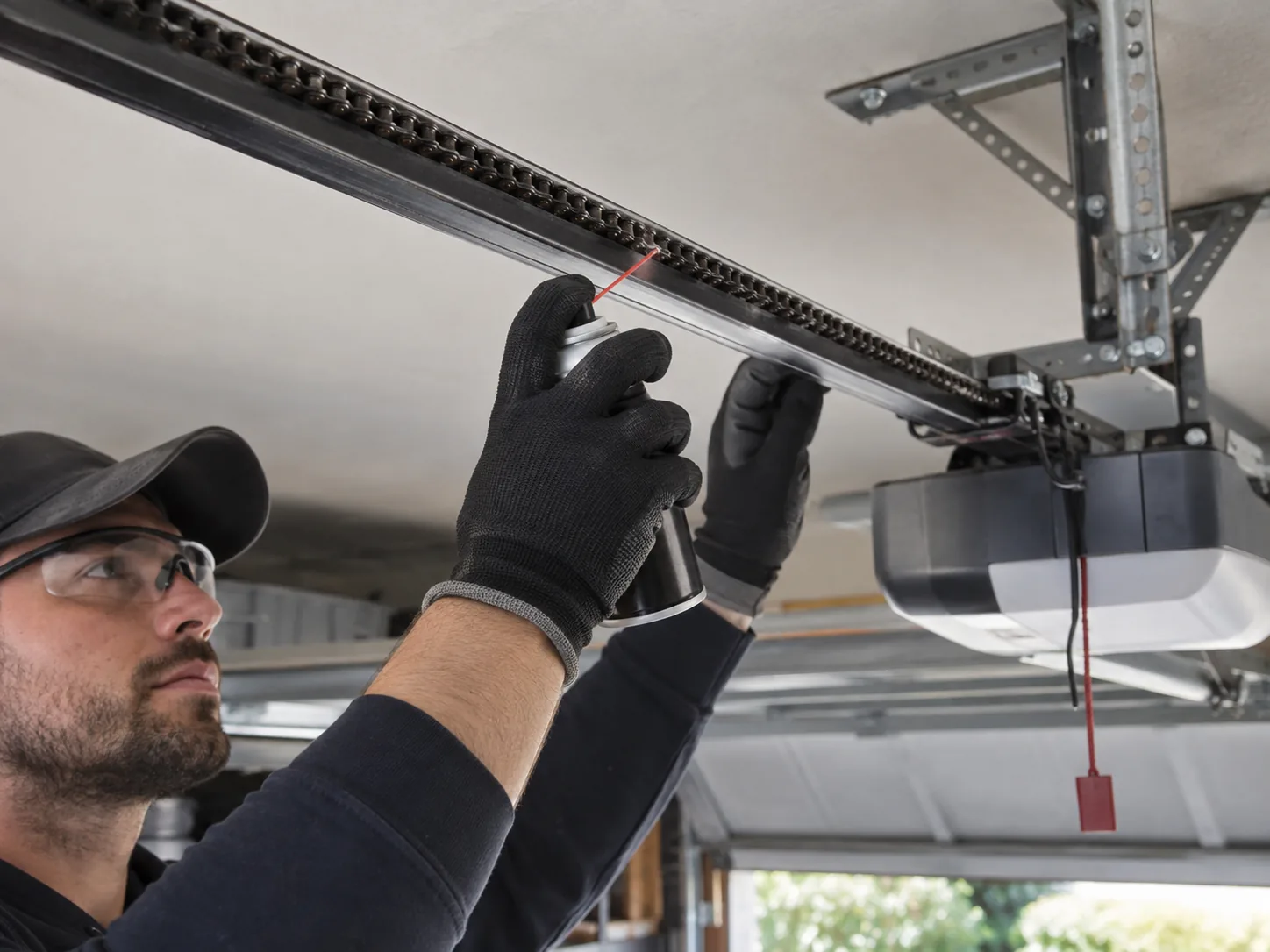
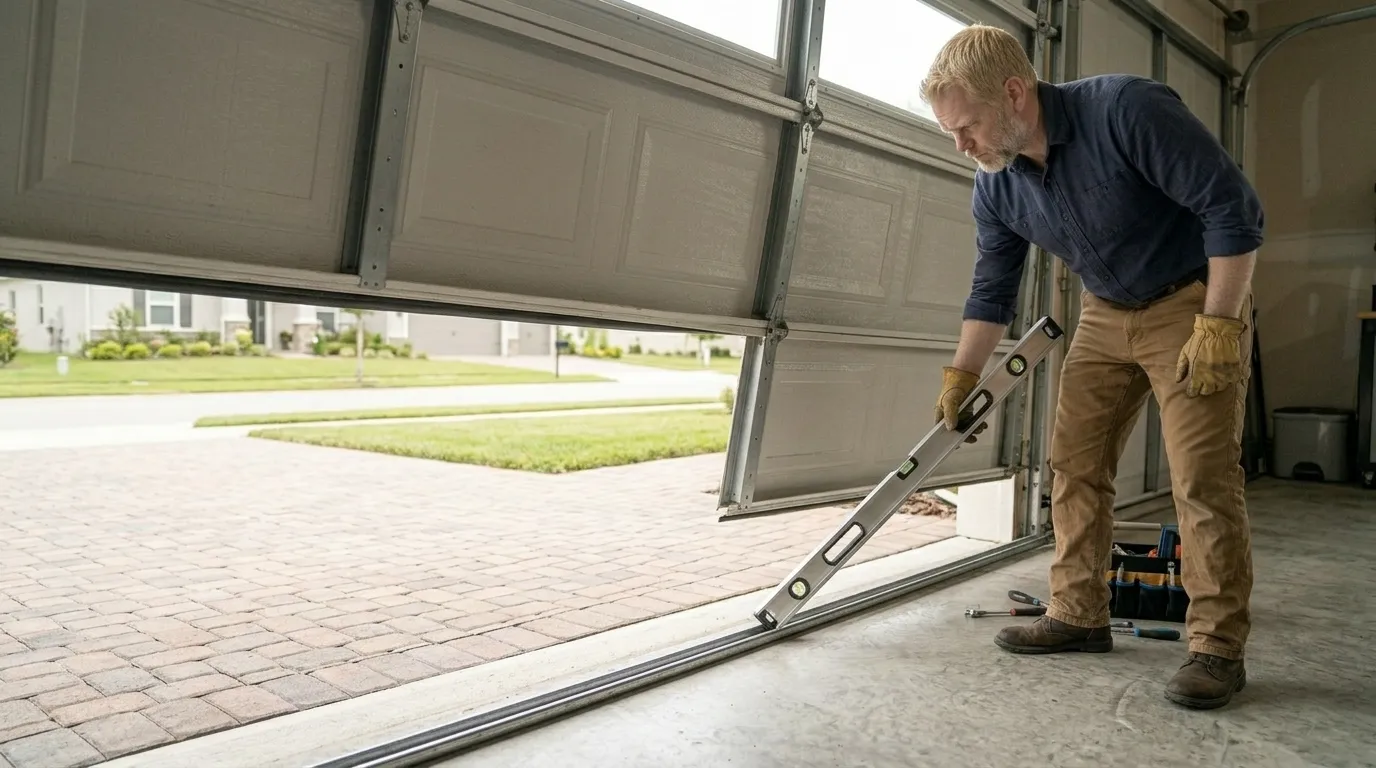
The area sits in a cold, moderate climate band, where winter damp works into spring coils and cable strands faster than a dry climate would. Moisture gets into the coil gaps, rust starts at the wind points, and the spring loses tension unevenly instead of all at once. That uneven loss is what makes a door from a 1980s build feel heavier on one side before it finally lets go. Openers from the same era are chain-drive units with worn sprockets and drying gear grease, which adds strain on a spring that's already tired. It's the combination - old spring, old opener, damp cold - that shows up as service calls here more than any single cause alone.