
Roller bottom wear pattern
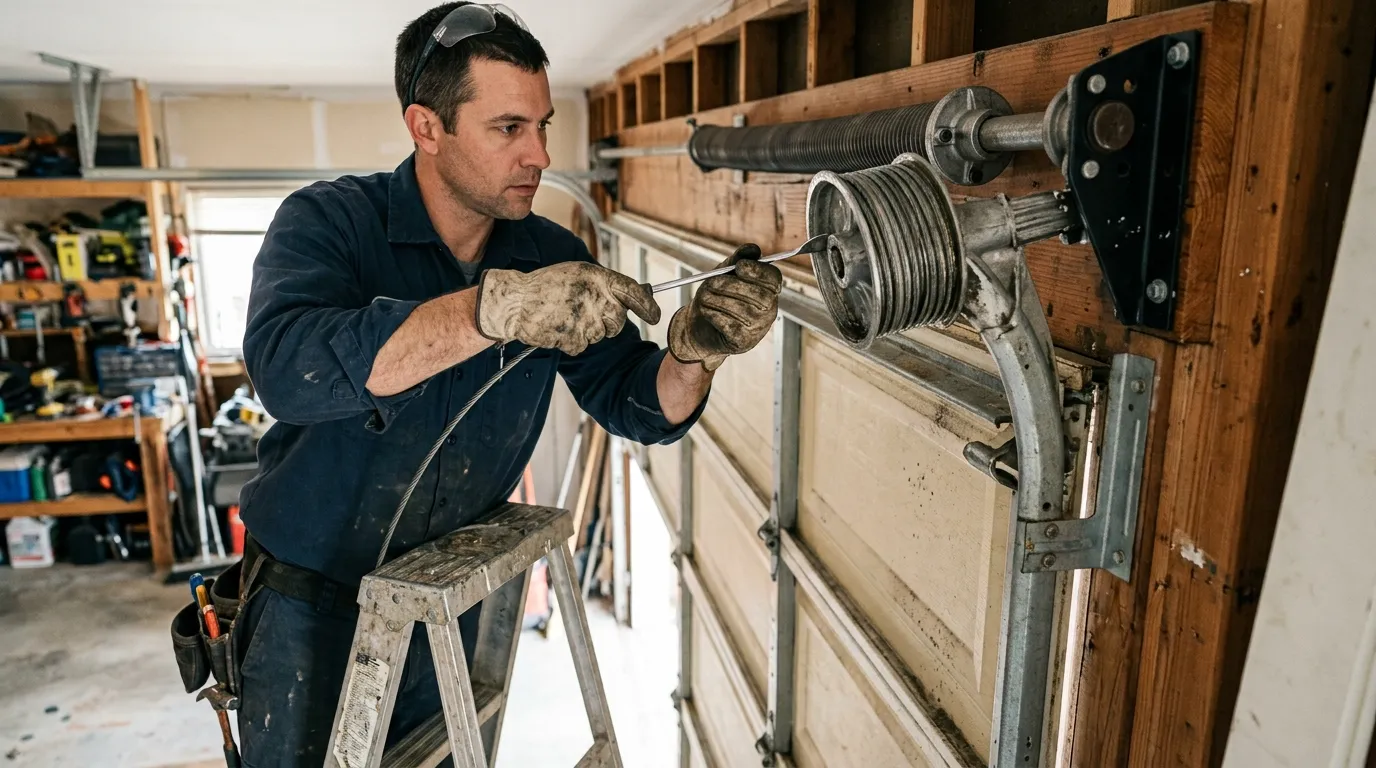
Top-section rollers are a different story. On a door built around 1994, those top rollers sit close to the cable drum and the torsion spring assembly, and a slip there isn't a stubbed toe, it's a hand near a loaded spring.
Covington, Issaquah
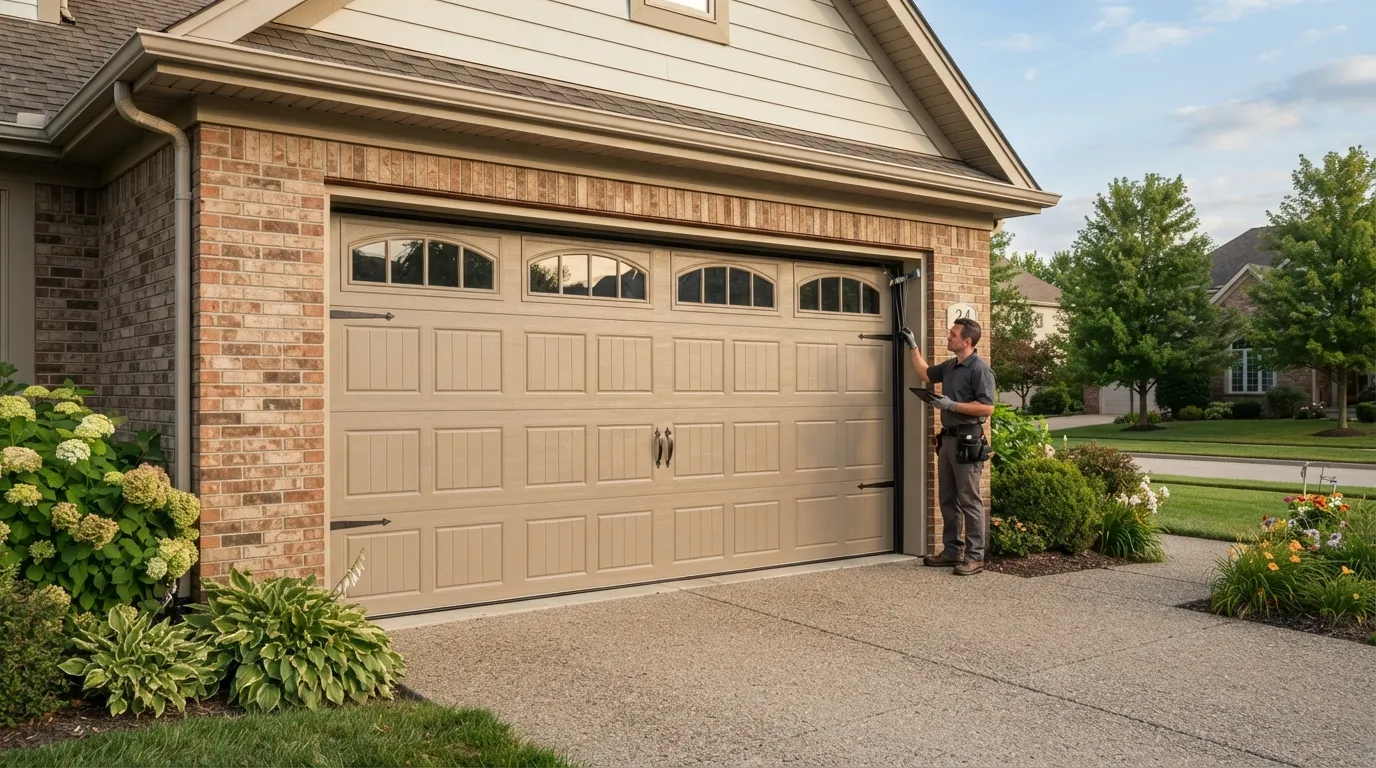
Covington's garage doors mostly date to the early-to-mid 1990s. Here's what that means for roller wear, what a roller job costs, and when it's worth doing.
Booking
We run this job out of Issaquah, about 13 miles northwest of Covington. There's no branch or drop-box here - a roller call means a truck loaded up and driven out, same as any other job in this stretch of the service area. That doesn't change what we can do once we're on-site; it just means we ask a few more questions on the phone first, so the truck that shows up has the right roller stock and the right hardware for a door this age.
If you're not sure whether what you're hearing is a roller problem or something else - a bent track, a failing opener, a spring going soft - start with [our general repair page for Covington](/covington-garage-door-repair/) and we'll sort it out from there. If it turns out you're actually in Issaquah proper, the [roller replacement page for Issaquah](/garage-door-roller-replacement-issaquah-wa) covers that market directly, since the housing stock and the numbers behind it are different there.
DIY or pro
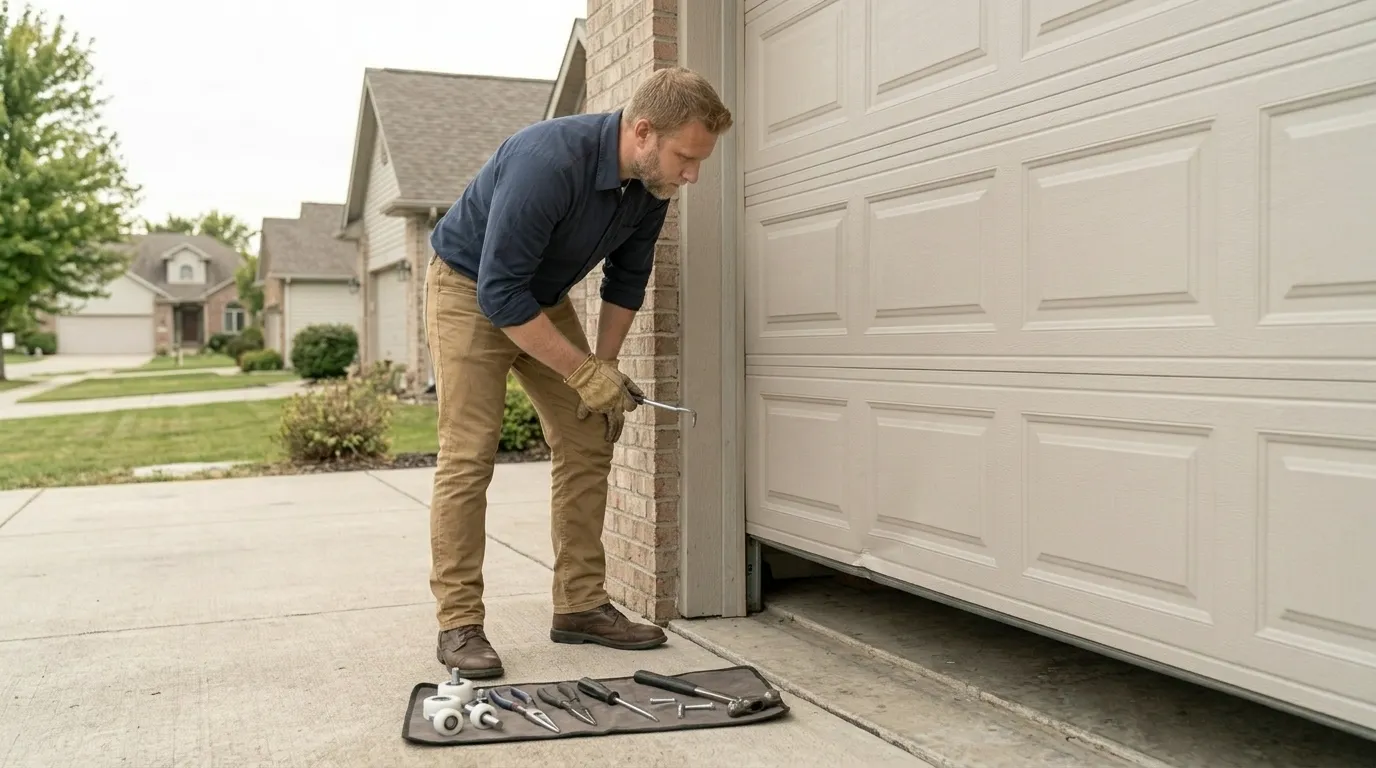
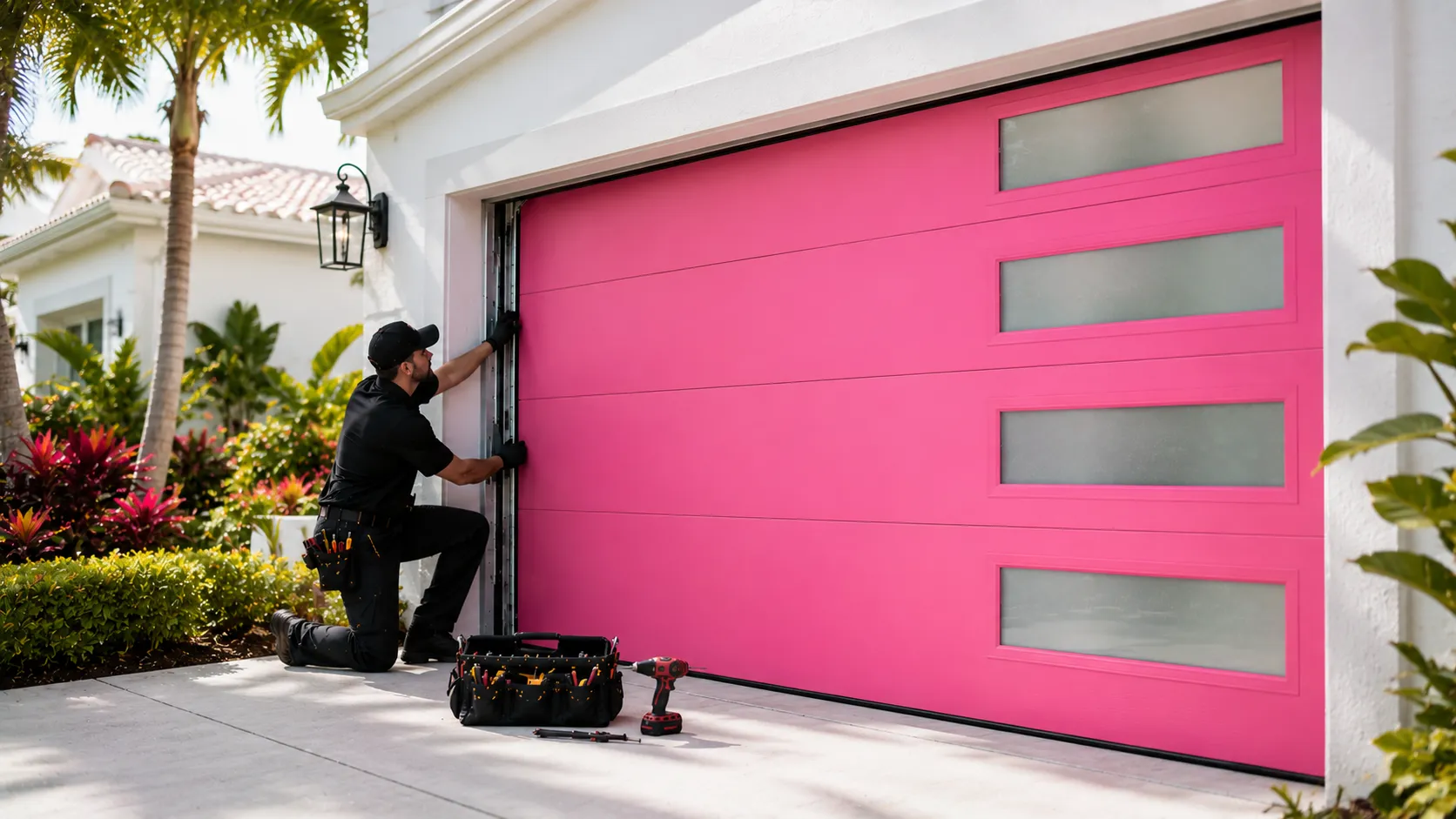
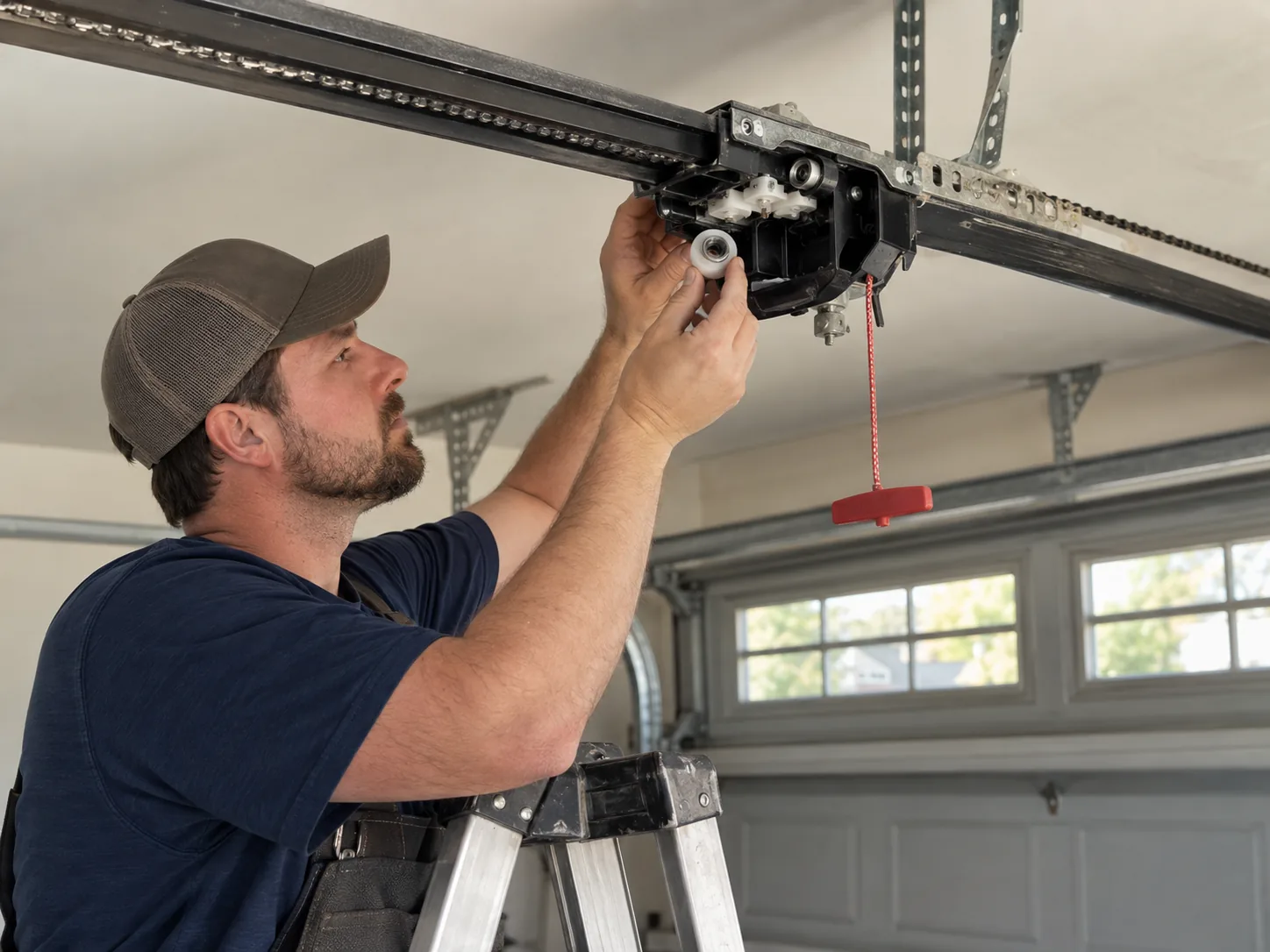
Bottom rollers on a sectional door are about as forgiving a DIY job as garage doors get - pull the retaining bracket, slide the old roller out, slide the new one in, no cables involved.
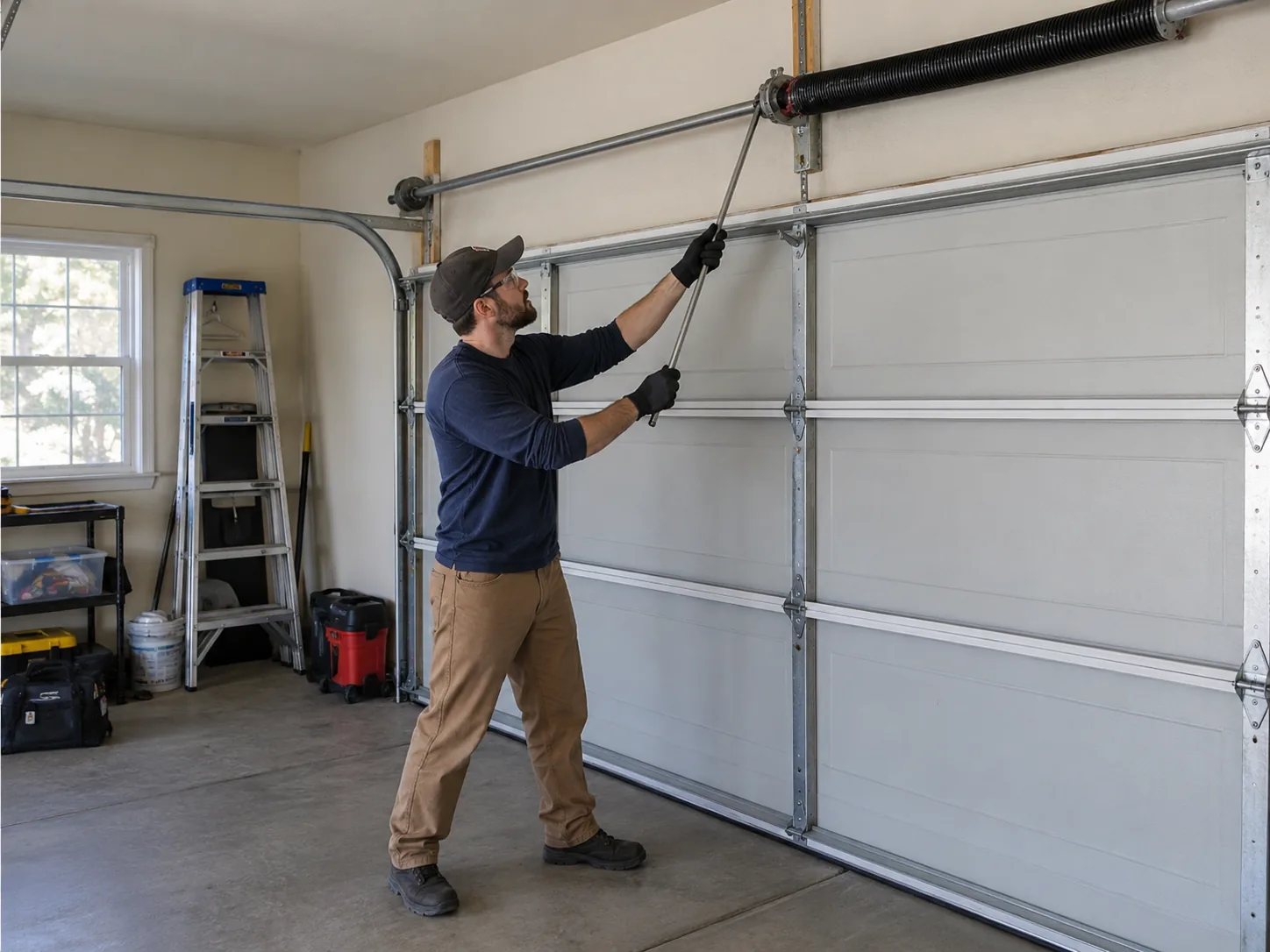
Top-section rollers are a different story. On a door built around 1994, those top rollers sit close to the cable drum and the torsion spring assembly, and a slip there isn't a stubbed toe, it's a hand near a loaded spring.
The honest answer: if you're only replacing the two bottom rollers on each side and the door is otherwise moving straight and true, most homeowners can do it with a Saturday and the right roller size.
If the door has started binding, if one side drags, or if you're touching anything above waist height on the track, that's where we'd rather you call than improvise. We won't talk you out of the easy half of the job. We will tell you when it stops being the easy half.

Watch-outs
Doors from Covington's main building era - early-to-mid 1990s tract construction - were built with steel rollers on galvanized steel track as standard. Steel-on-steel is cheap and it's loud, and over thirty-plus years it's also the first thing to show wear: flat spots on the roller stem, rust pitting where moisture sits in the track groove, and a grinding sound that gets worse in cold weather when the metal contracts.
The other common failure on doors this age is nylon rollers that were swapped in at some point as an upgrade and have since aged out - nylon doesn't rust, but the housing cracks with UV and temperature cycling, and a cracked housing lets the roller wobble in the track instead of running straight. Either failure shows up the same way to a homeowner: the door shudders, it's louder than it used to be, or it catches partway up. The fix differs depending on which one it actually is, which is why a phone description only gets us so far.
Pricing
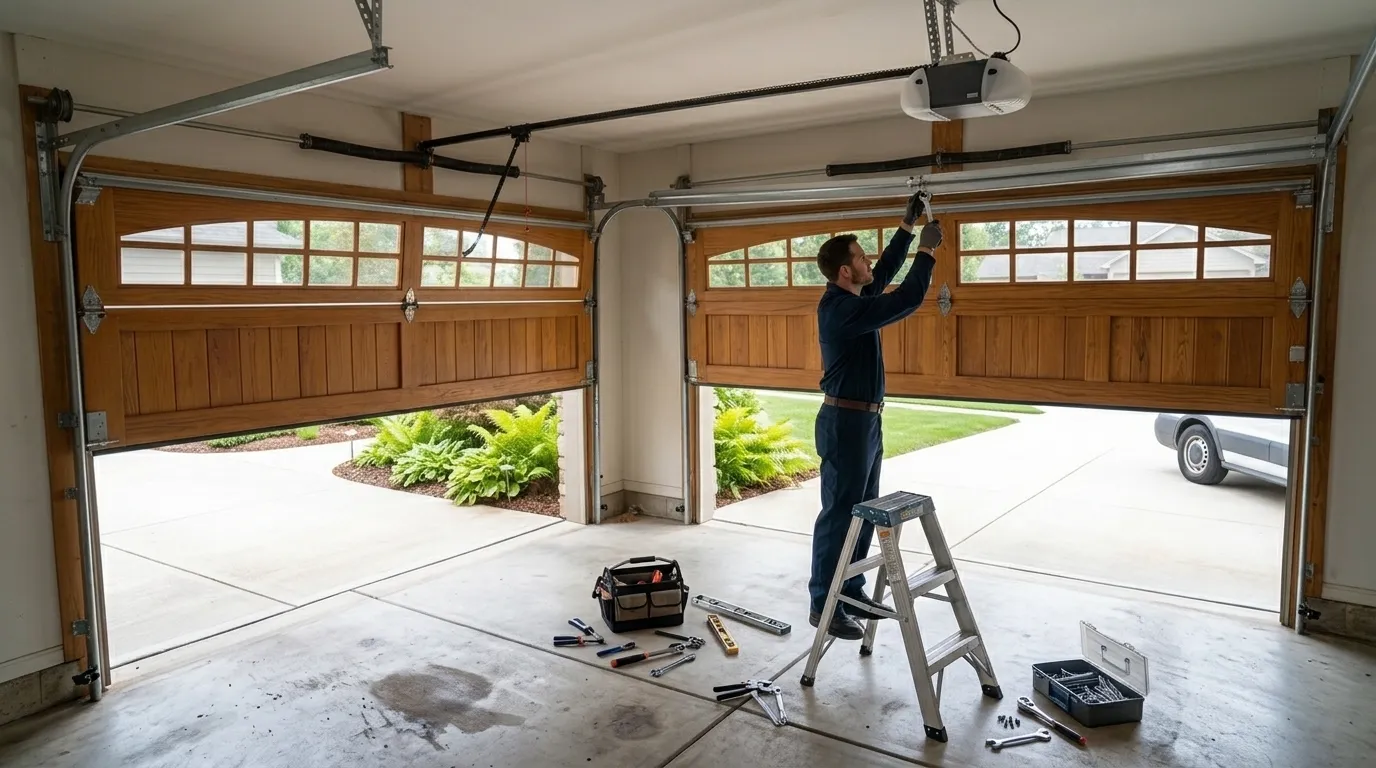
A roller job's price depends on how many rollers are bad, whether it's steel or nylon going back in, and whether the track itself needs straightening or replacing alongside the rollers - a bent track from age or a door that's been knocked out of alignment changes the scope of the visit.
We don't quote a flat number sight-unseen because a two-roller swap and a full eight-roller-and-track job are not the same call, and guessing low on the phone and revising up in the driveway isn't a way we want to do business.
What we can tell you: nylon rollers cost more per unit than steel, but on a door with steady daily use they usually outlast steel by a wide enough margin that the upgrade pays for itself in fewer callbacks.
Given the income range in this part of Covington, that's the upgrade most households here choose over a straight steel-for-steel swap, but it's your door and your call either way.

Local causes
Covington's housing runs younger than a lot of the towns we cover - the bulk of it went up around 1994, squarely inside the 1962-2005 window that describes most of the wider service area, but late enough in that window that steel roller-and-track hardware was the near-universal default rather than the older one-piece doors you'd find in an earlier-built neighborhood. That means the fault pattern here is fairly consistent: original steel rollers reaching the end of their run at roughly the same age across a lot of houses at once.
Layer the regional climate on top of that. This is a cold, moderate part of Washington - not brutal winters, but enough freeze-thaw and damp track conditions over three decades to pit steel and stiffen the grease in a roller stem that hasn't been serviced. A door built in 1994 has had thirty years of that working on it, which is a big part of why roller calls out here cluster around the same age of house rather than the same time of year.
Questions
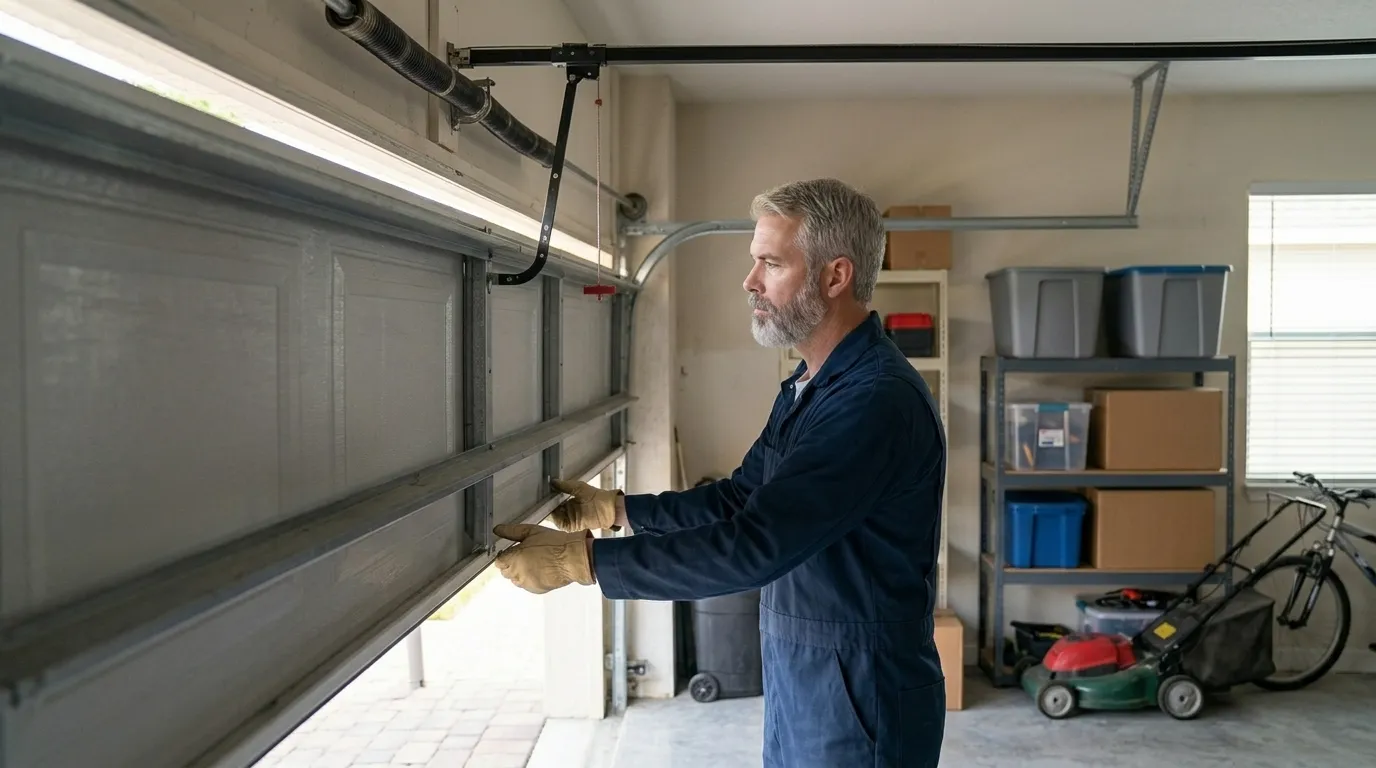
If the door is noisy or juddering while someone's hand-cranking it with the opener disconnected, that points to rollers or track, not the opener. If the noise or hesitation only happens when the opener is driving the door, the opener or its gears are more likely the cause. A quick manual test before you call saves us both time on the phone.
Not always. If only the bottom two on each side are worn and the rest are running quiet and straight, we'll usually just replace the bad ones. If the door's original steel rollers are all the same age and one's already failing, the rest aren't far behind, so replacing the full set at once can make sense to avoid a second visit.
On a door that opens and closes daily, most households find nylon pays off - quieter, no rust pitting, generally longer life than steel. On a door used rarely, steel can outlast the household's ownership of the house without ever needing attention. It depends on how hard the door actually gets used, not just its age.
Yes. A roller running with a flat spot or a cracked nylon housing doesn't roll cleanly - it drags and chatters against the track wall, and over months that wear can gouge or bend the track itself. Catching a bad roller early is usually cheaper than catching it after it's taken the track with it.
Explore more
Ready when you are
Issaquah Garage Door Pros repairs and installs garage doors, springs and openers in Issaquah, WA and the surrounding area.